This section expands the museum's historical timeline, allowing visitors to explore each milestone's records, images, and details in depth.
A declaration issued far from the land itself reshaped Palestine's political future. The British government promised support for a national home for Jewish people in a region where they did not hold sovereignty, laying the groundwork for a century of conflict.
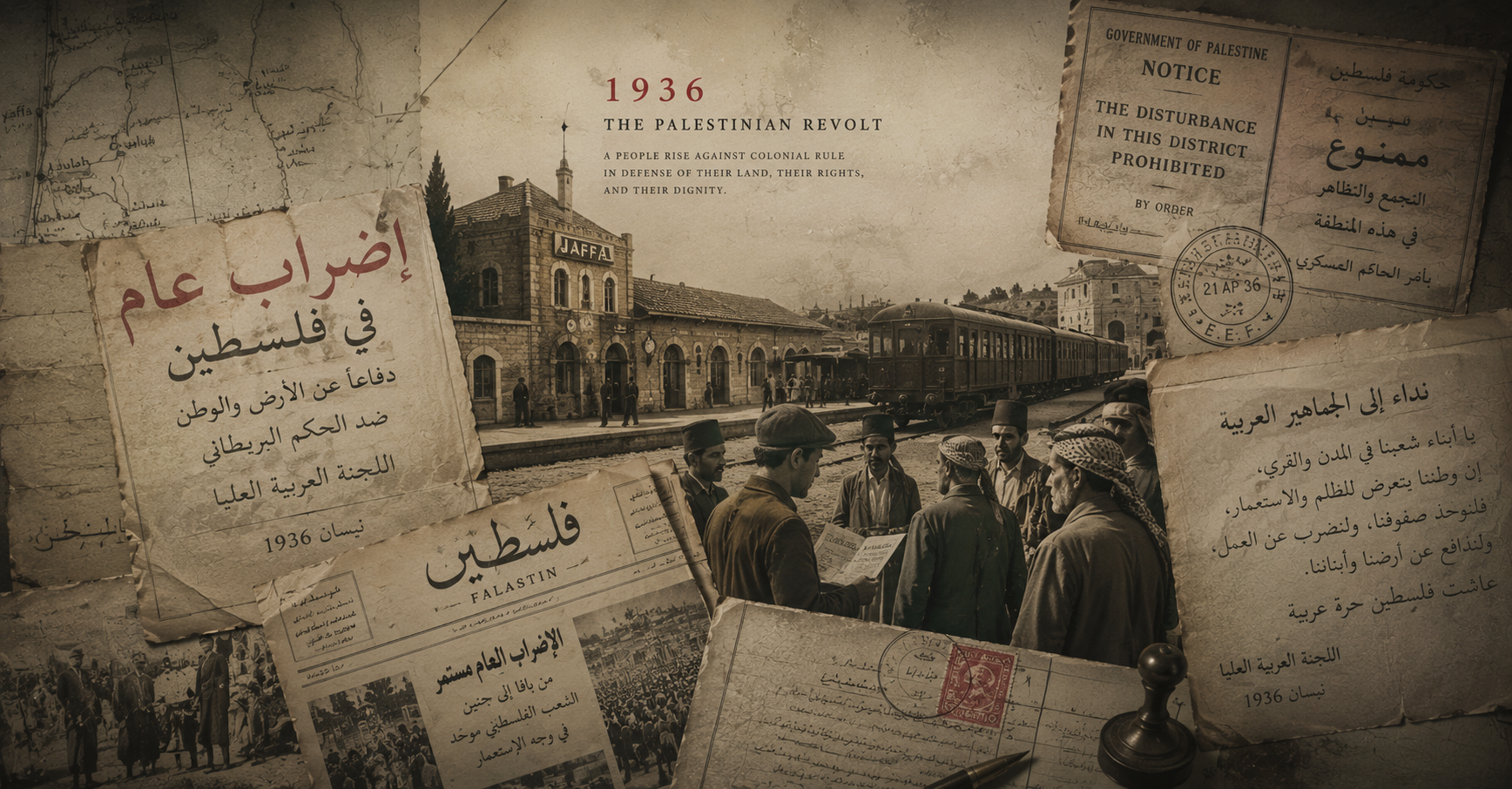
A mass uprising against British rule and the transformations imposed on the country. It was characterized by a historic six-month general strike, armed uprisings in rural areas, and subsequent harsh British military repression that dismantled Palestinian leadership.
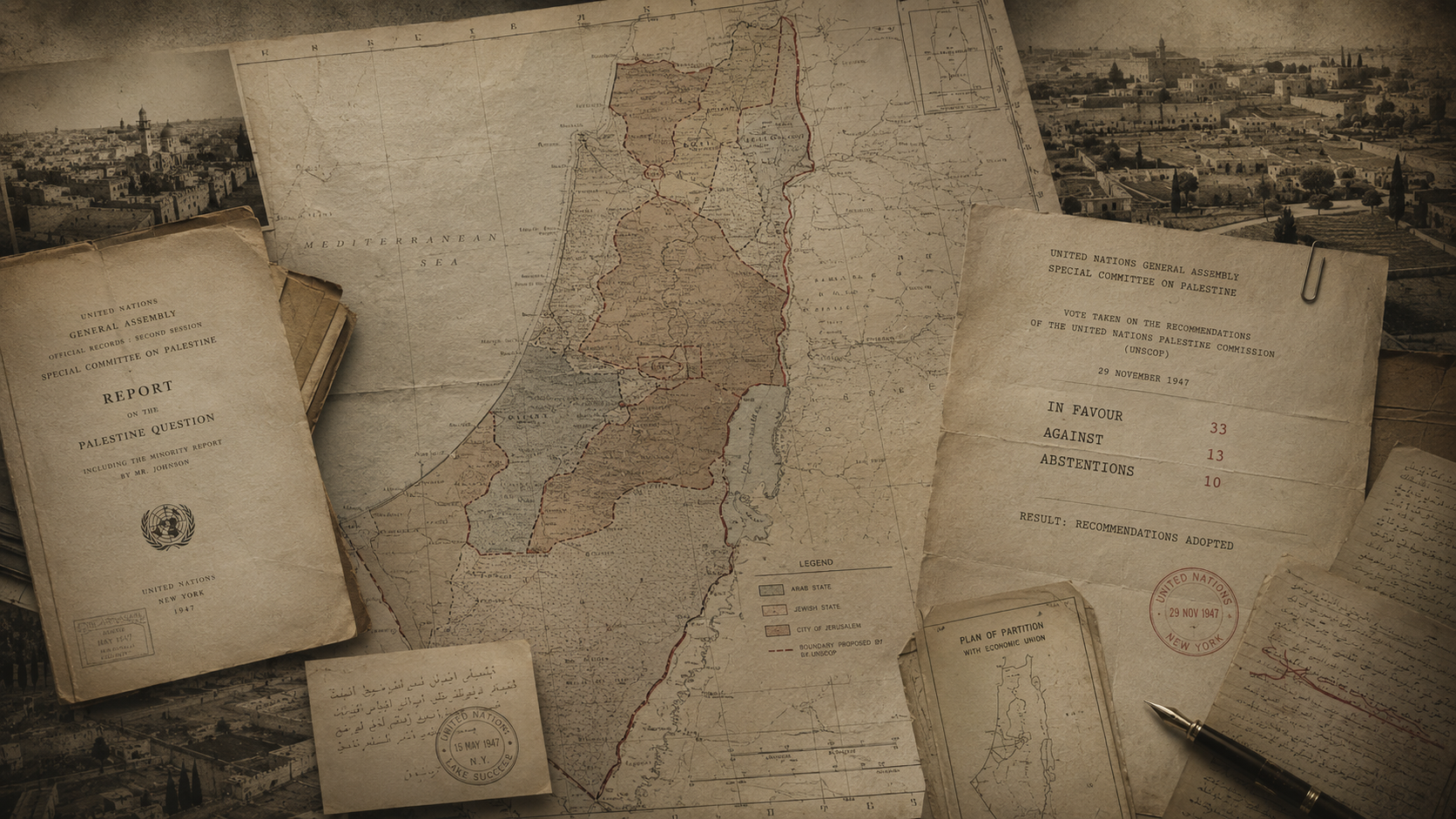
The United Nations proposed a partition plan (Resolution 181), dividing the land into separate states without consulting the local population. This turned Palestine into a map of competing futures, sparking immediate localized warfare.
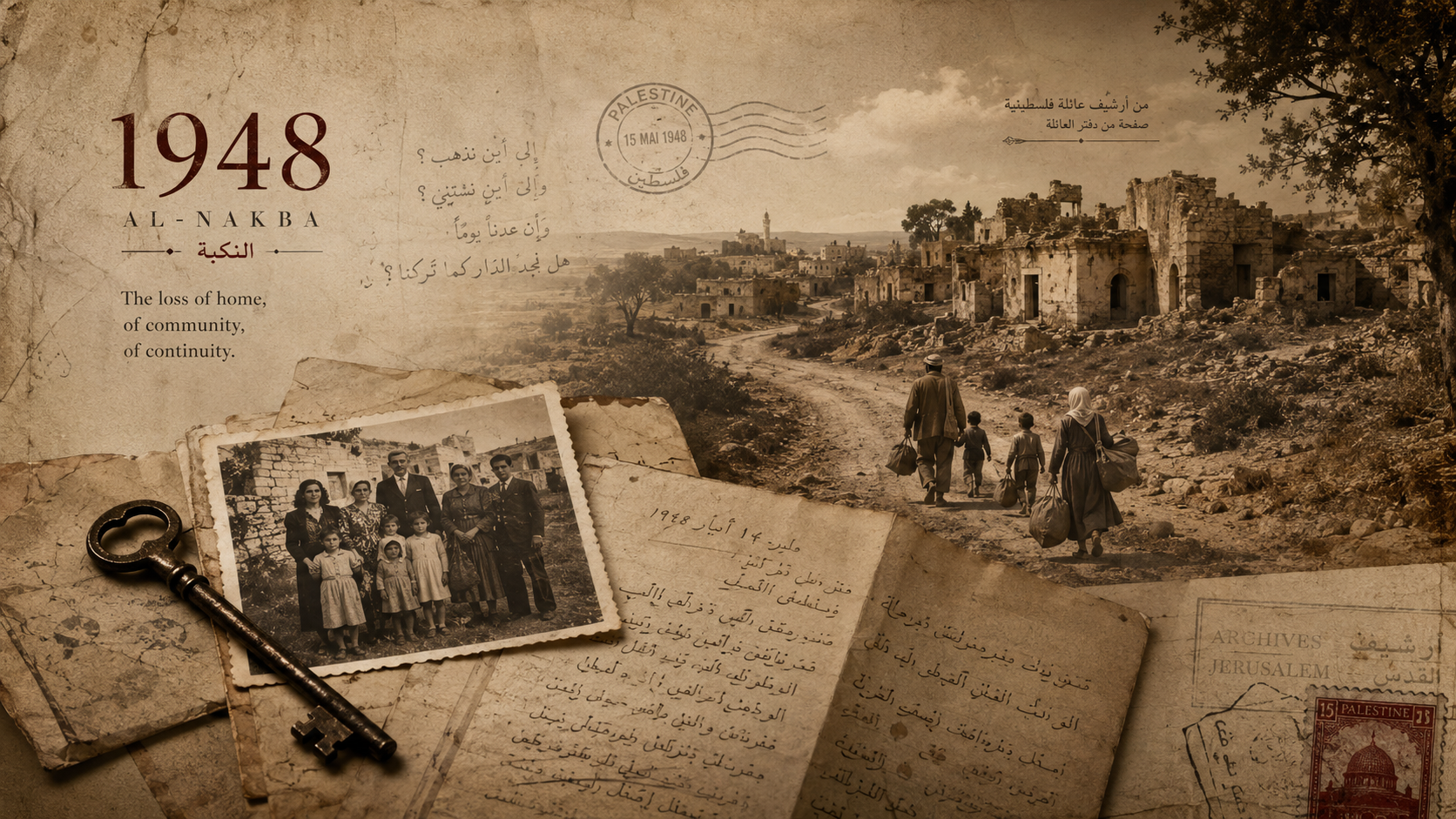
Mass displacement, expulsion of over 700,000 Palestinians, and the physical destruction of more than 500 villages. This marked the catastrophe of dispossession, creating refugee generations whose struggle for memory and return continues.
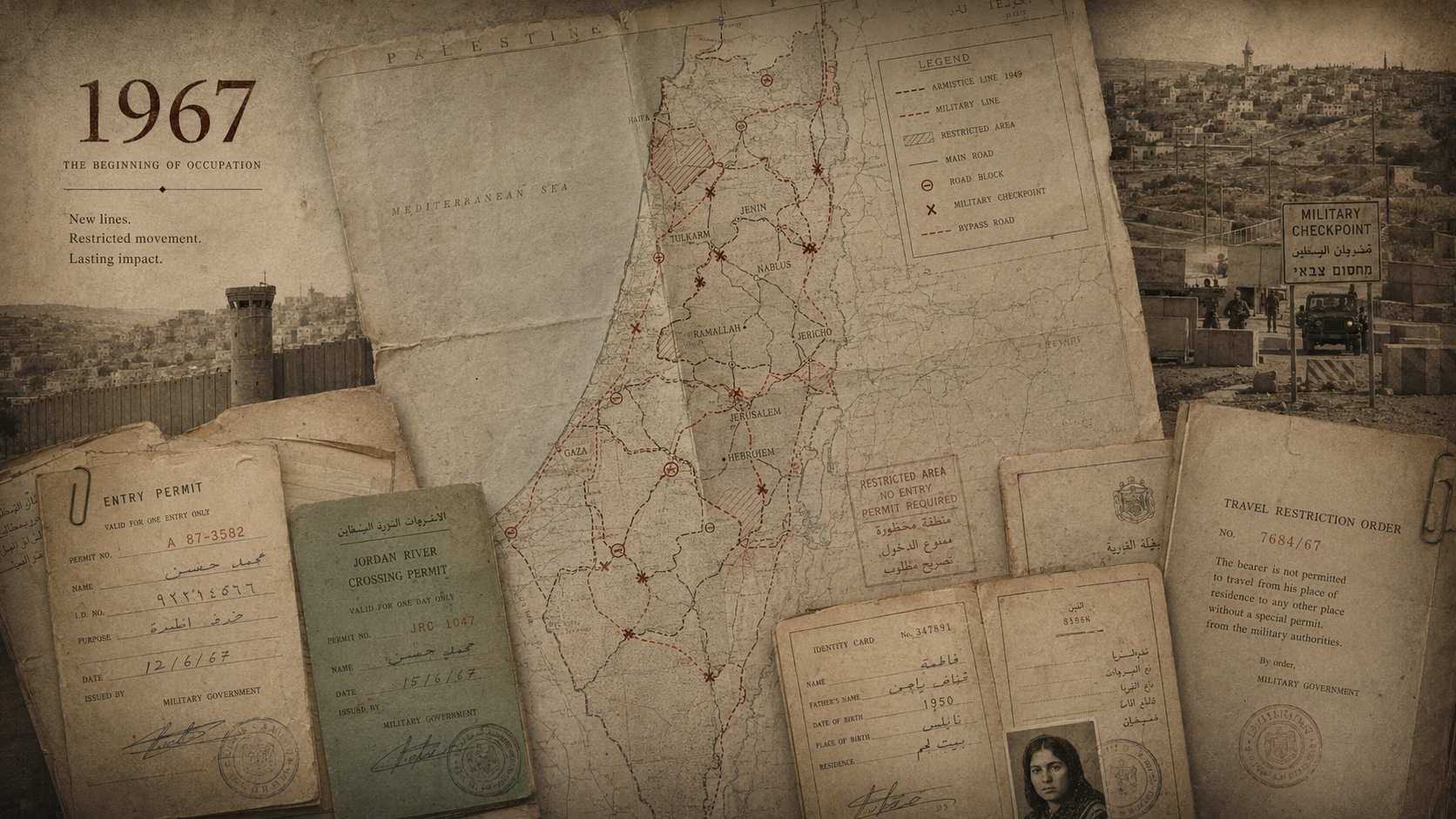
The Six-Day War ended with Israel occupying the West Bank, East Jerusalem, and the Gaza Strip. The occupation reshaped the daily life of Palestinians, initiating military control, settlement expansion, and systemic fragmentation of the territory.
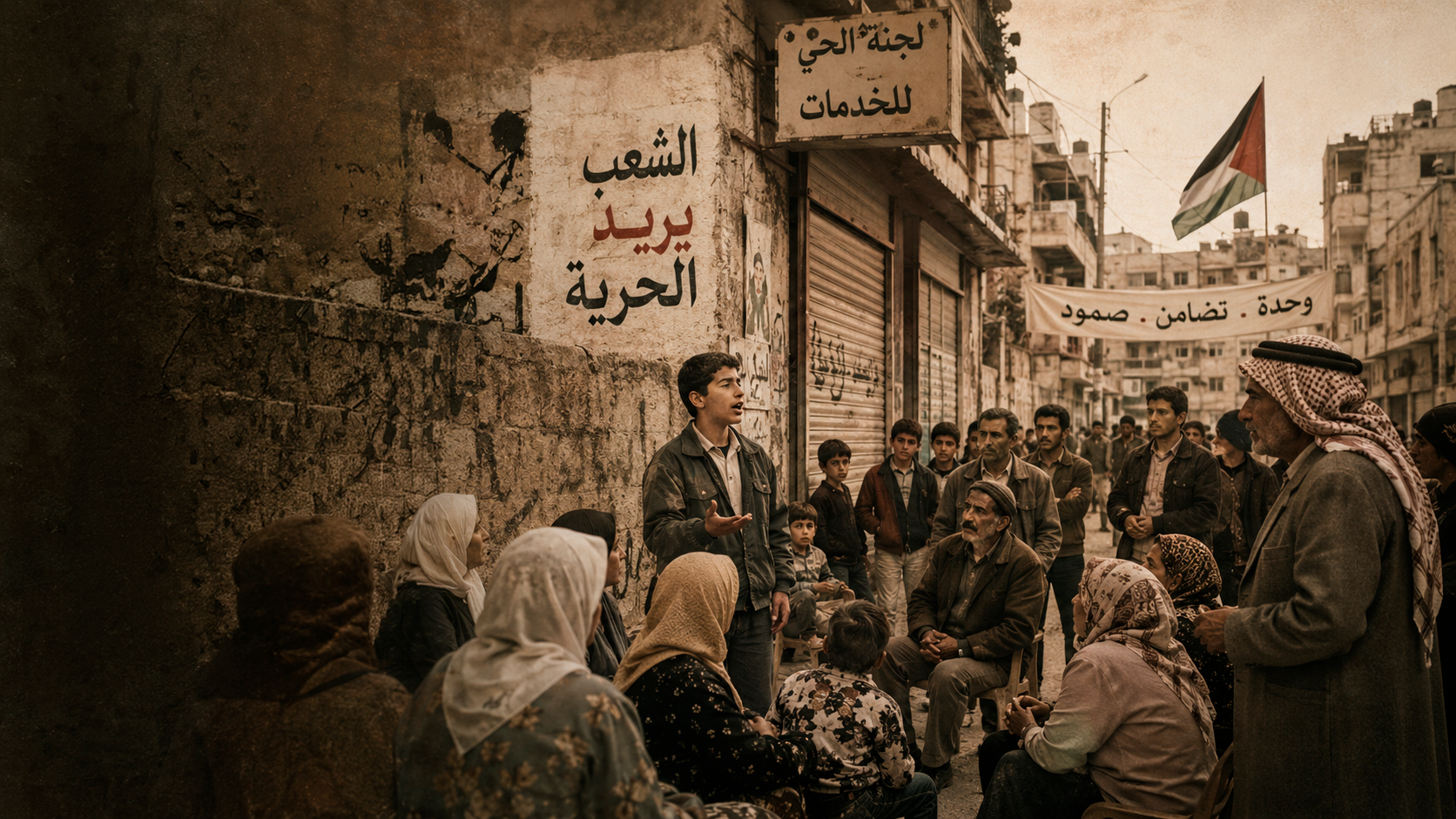
Popular resistance transformed streets, neighborhoods, schools, and daily life. A grassroots civil disobedience campaign, characterized by strikes, protests, and boycott movements, successfully projected the Palestinian struggle for self-determination to the global stage.
The Oslo Accords established the Palestinian Authority as an interim self-government, raising hopes for a sovereign state. However, the process postponed critical final-status issues, leaving land fragmentation and military control unresolved.
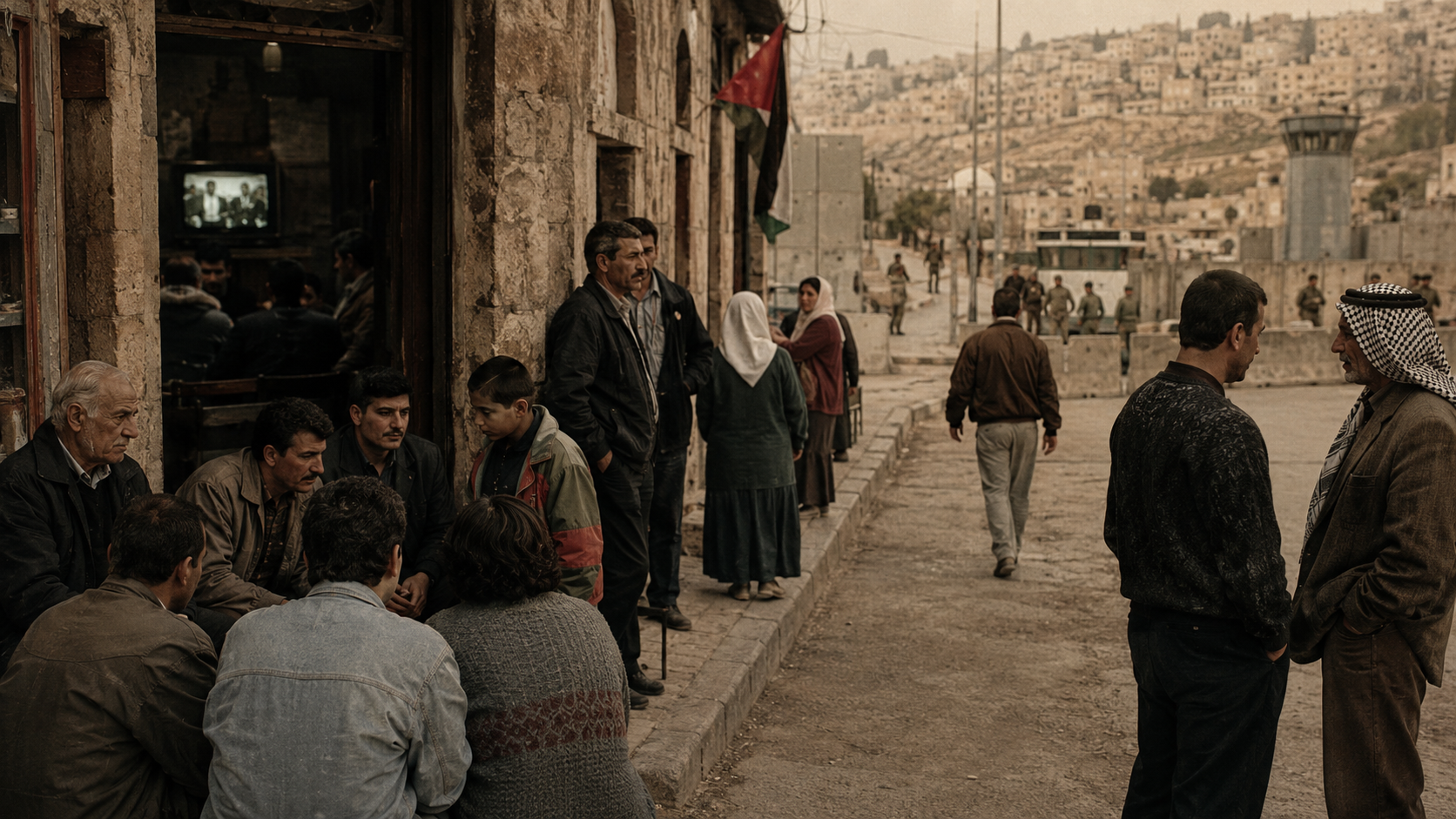
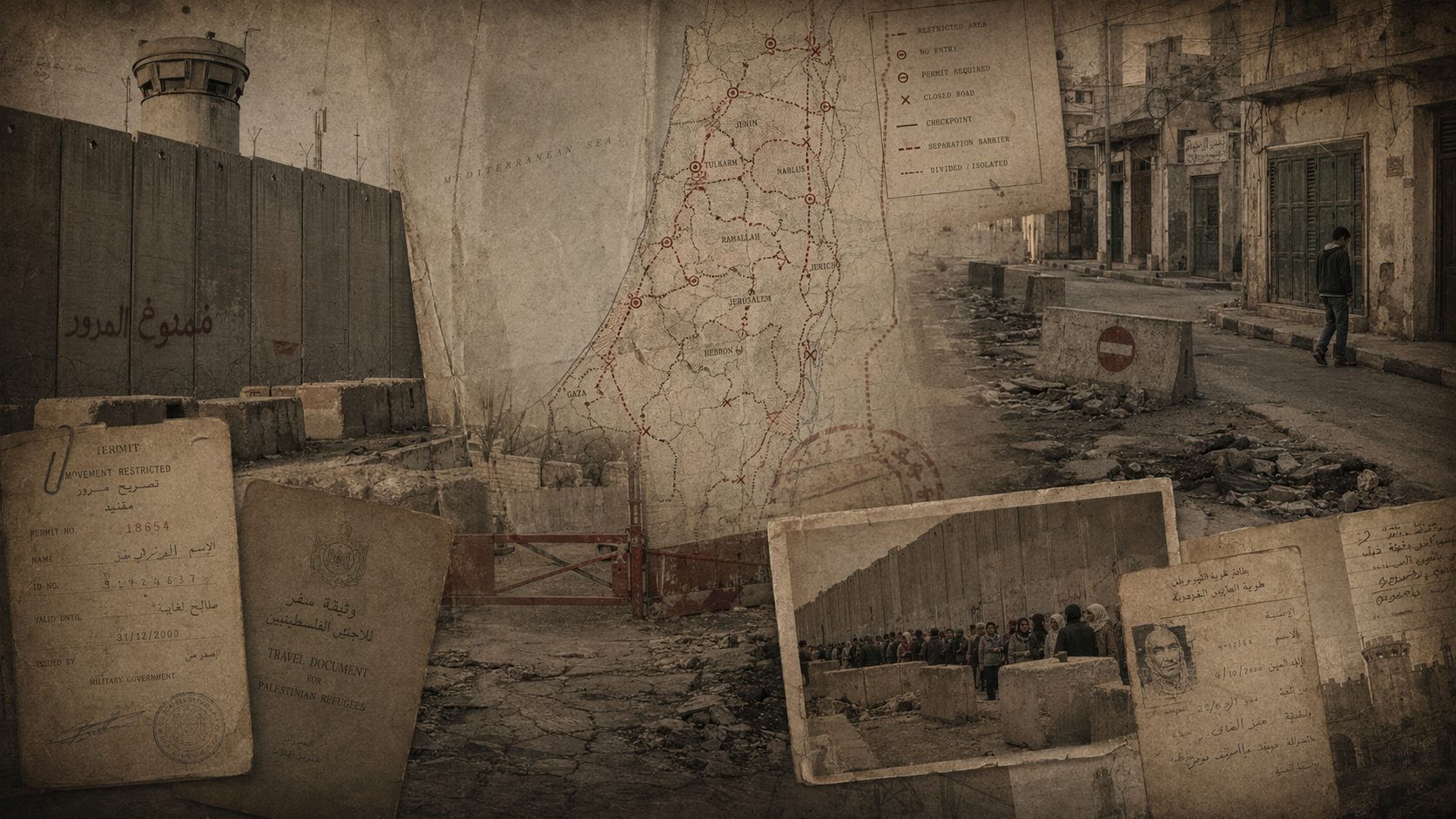
A period of intense conflict erupted, marked by military incursions, checkpoints, and the construction of the Separation Wall. The violence and closures deeply altered the geography, making movement and self-determination increasingly difficult.
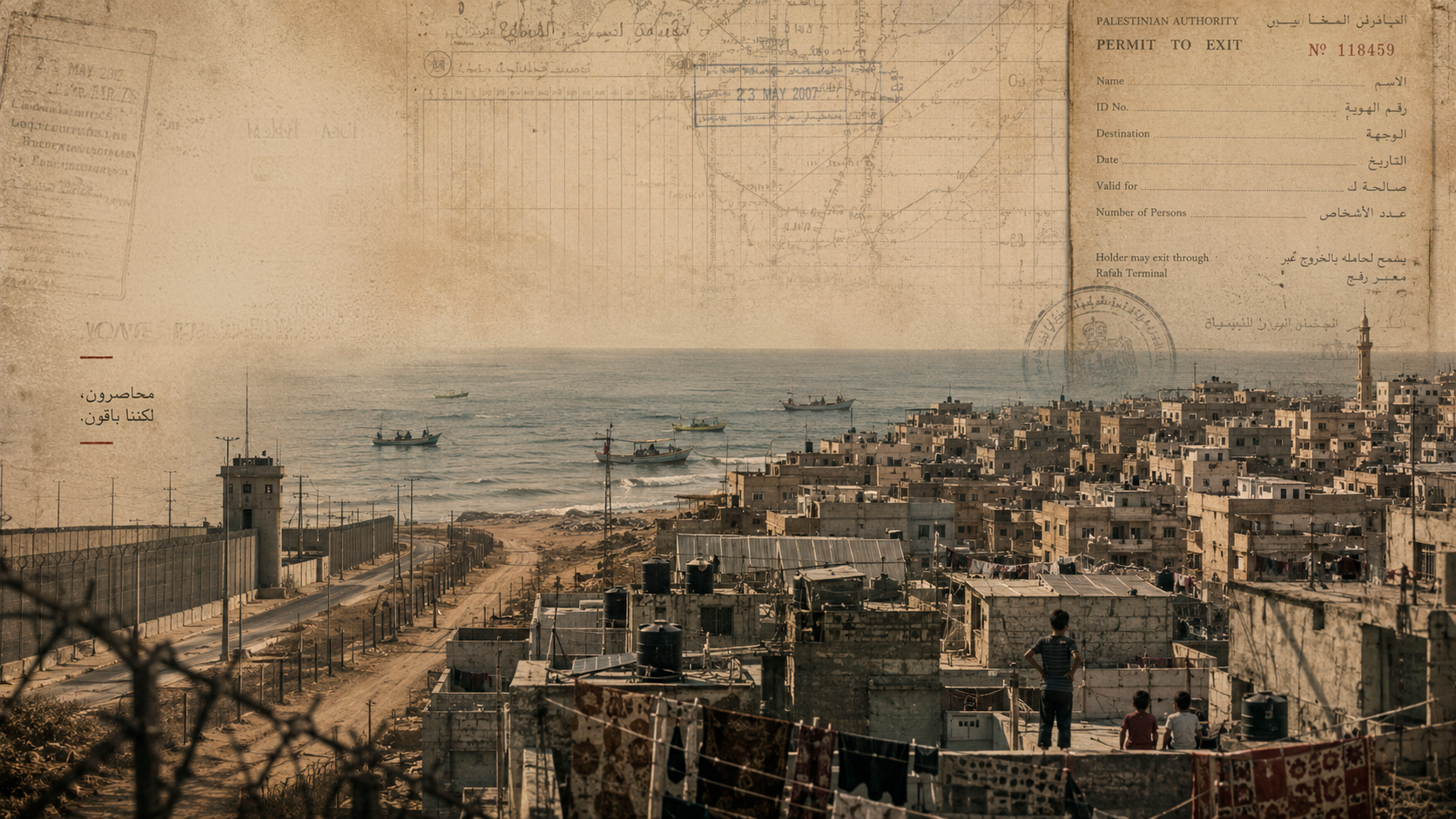
Gaza entered a new era of isolation following the imposition of a comprehensive land, sea, and air blockade. This control severely restricted movement, devastated the economy, and created a structural humanitarian crisis.
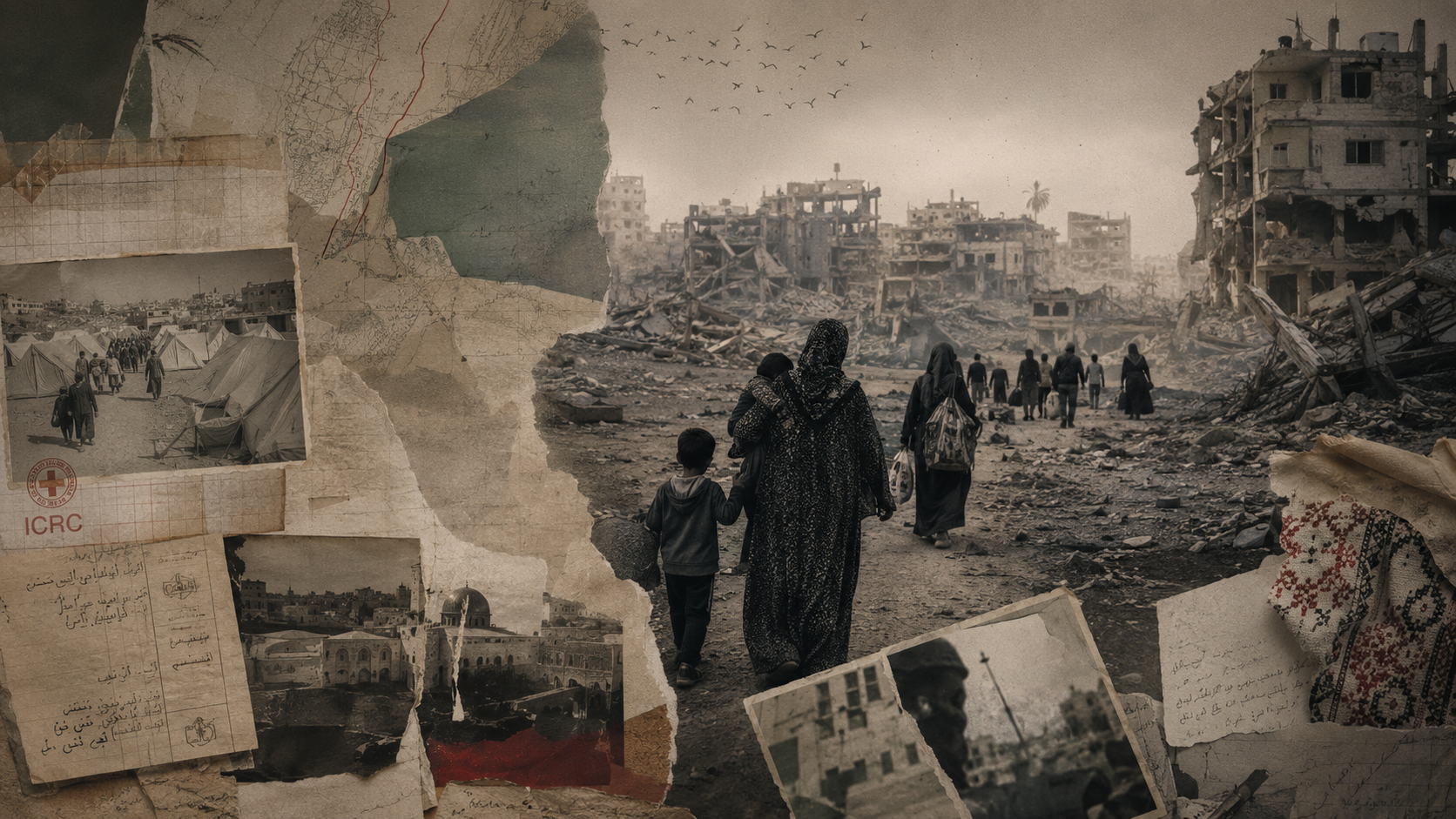
The story remains open, marked by unprecedented humanitarian catastrophe, mass displacement, and destruction of urban areas. The ongoing crisis continues to document the displacement and resilience of a population in real-time.
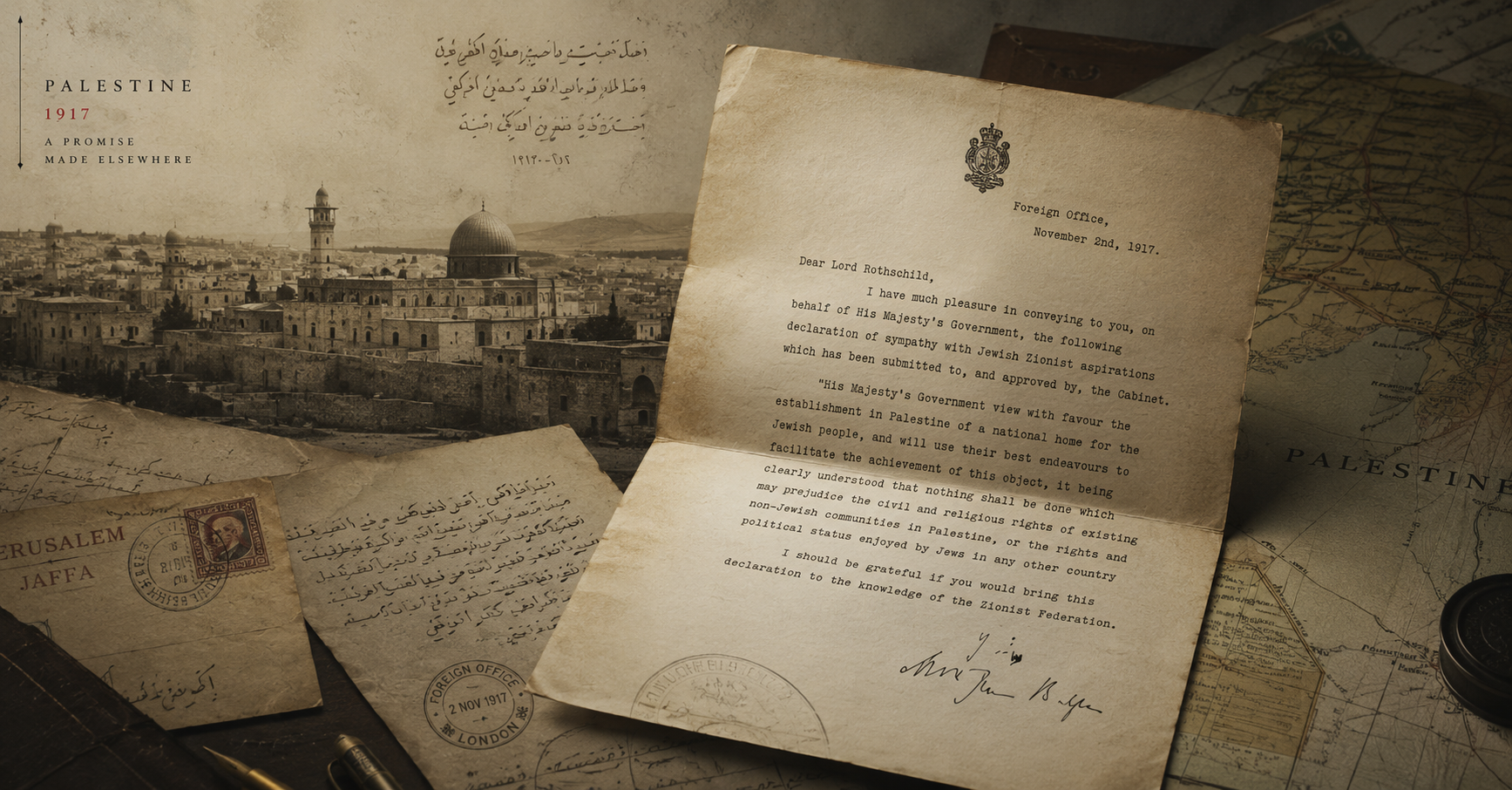
A declaration issued far from the land itself reshaped Palestine's political future. The British government promised support for a national home for Jewish people in a region where they did not hold sovereignty, laying the groundwork for a century of conflict.
A mass uprising against British rule and the transformations imposed on the country. It was characterized by a historic six-month general strike, armed uprisings in rural areas, and subsequent harsh British military repression that dismantled Palestinian leadership.
The United Nations proposed a partition plan (Resolution 181), dividing the land into separate states without consulting the local population. This turned Palestine into a map of competing futures, sparking immediate localized warfare.
Mass displacement, expulsion of over 700,000 Palestinians, and the physical destruction of more than 500 villages. This marked the catastrophe of dispossession, creating refugee generations whose struggle for memory and return continues.
The Six-Day War ended with Israel occupying the West Bank, East Jerusalem, and the Gaza Strip. The occupation reshaped the daily life of Palestinians, initiating military control, settlement expansion, and systemic fragmentation of the territory.
Popular resistance transformed streets, neighborhoods, schools, and daily life. A grassroots civil disobedience campaign, characterized by strikes, protests, and boycott movements, successfully projected the Palestinian struggle for self-determination to the global stage.
The Oslo Accords established the Palestinian Authority as an interim self-government, raising hopes for a sovereign state. However, the process postponed critical final-status issues, leaving land fragmentation and military control unresolved.
A period of intense conflict erupted, marked by military incursions, checkpoints, and the construction of the Separation Wall. The violence and closures deeply altered the geography, making movement and self-determination increasingly difficult.
Gaza entered a new era of isolation following the imposition of a comprehensive land, sea, and air blockade. This control severely restricted movement, devastated the economy, and created a structural humanitarian crisis.
The story remains open, marked by unprecedented humanitarian catastrophe, mass displacement, and destruction of urban areas. The ongoing crisis continues to document the displacement and resilience of a population in real-time.
The timeline is not a complete record, but an open invitation to confront historical documents, memory records, and testimonies directly.