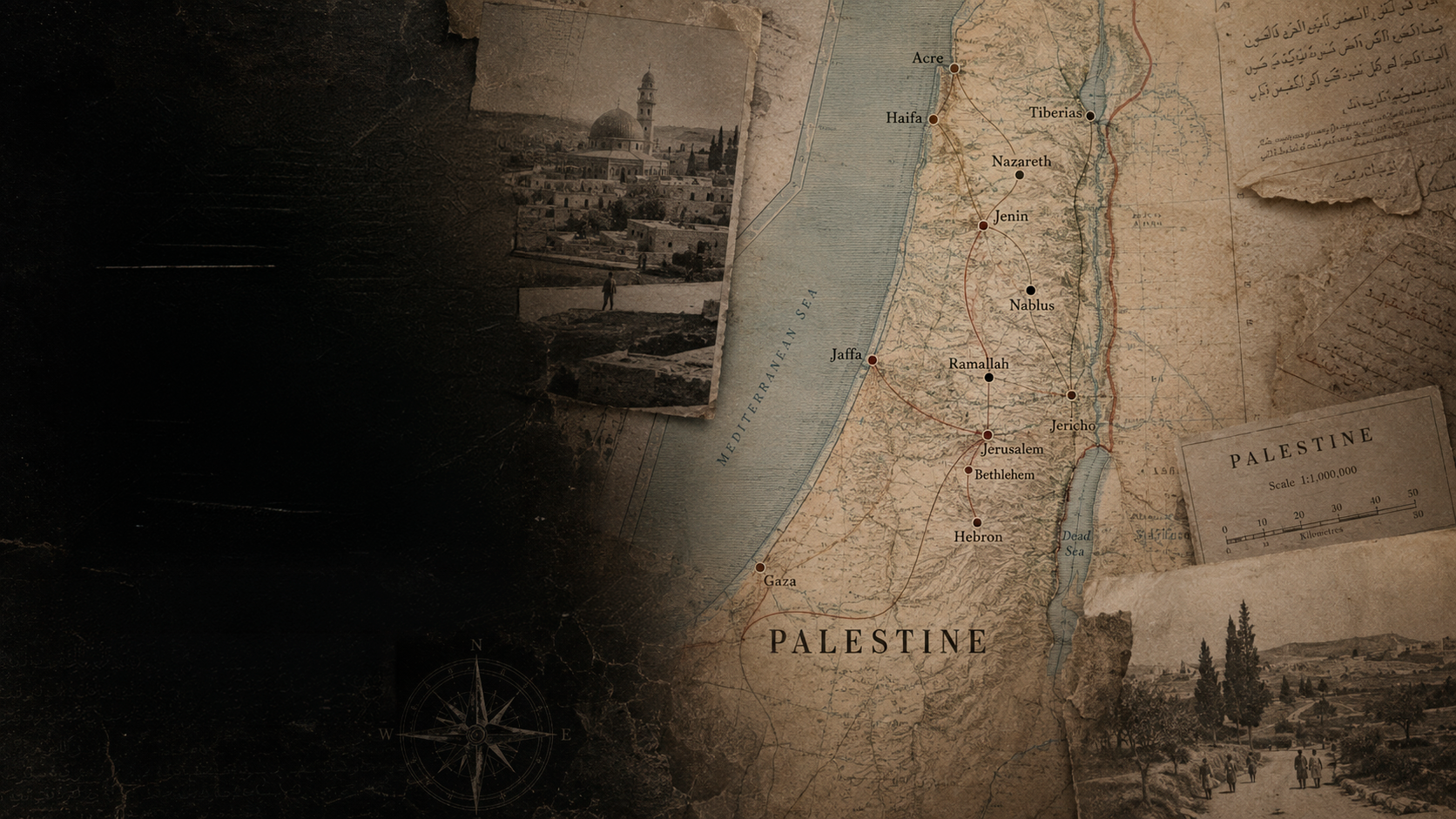
For a century, Palestine has been described, explained, interpreted — almost always from the outside looking in. MUPA was created to reverse that gaze.
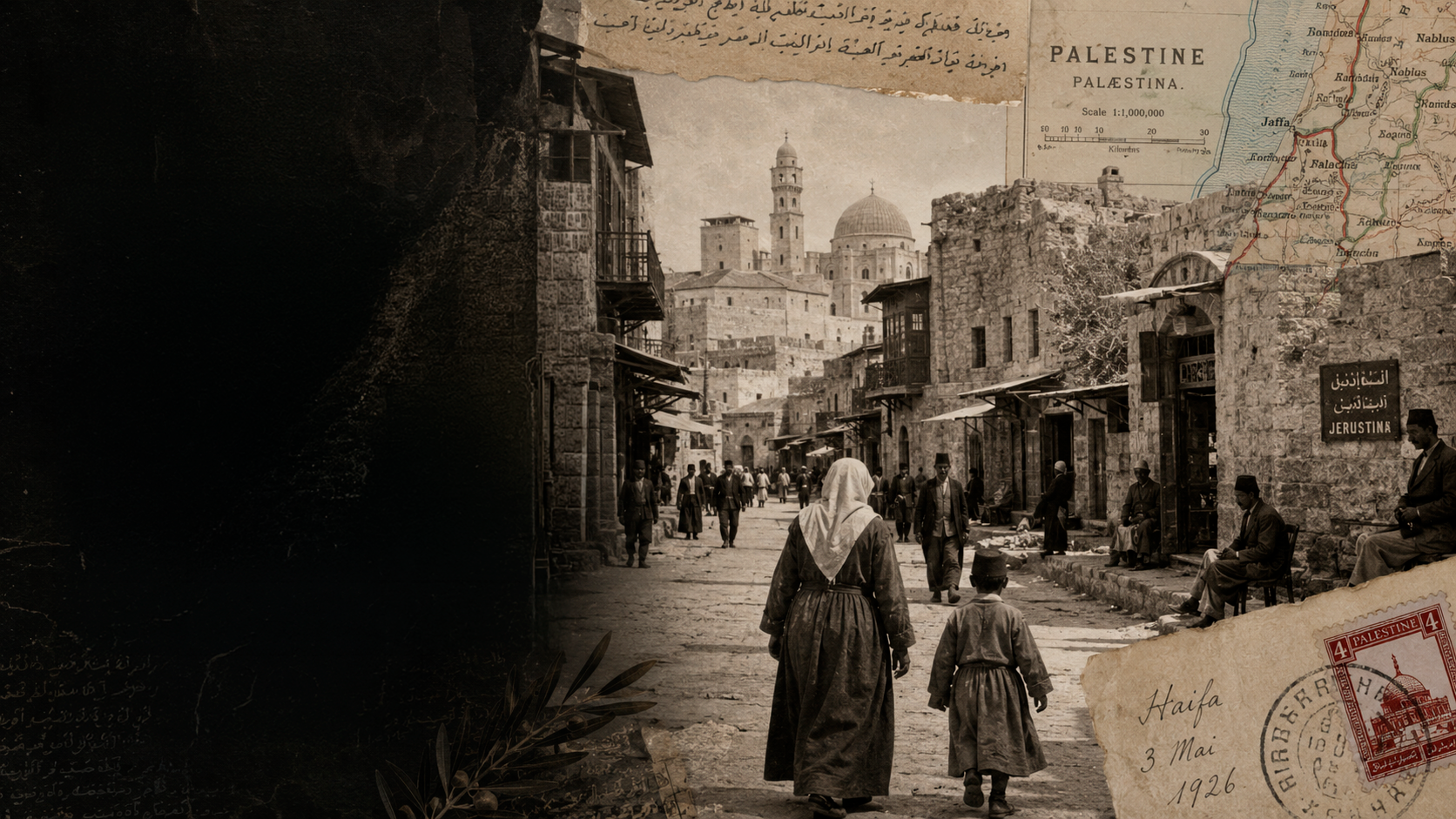
Here, the modern history of Palestine is not told through the familiar lens of Western media, but through the words of those who lived it, judged it, defended it, or challenged it first-hand.
Voices and testimonies of 20th-century figures who, for better or worse, shaped Palestine's fate are presented unfiltered.
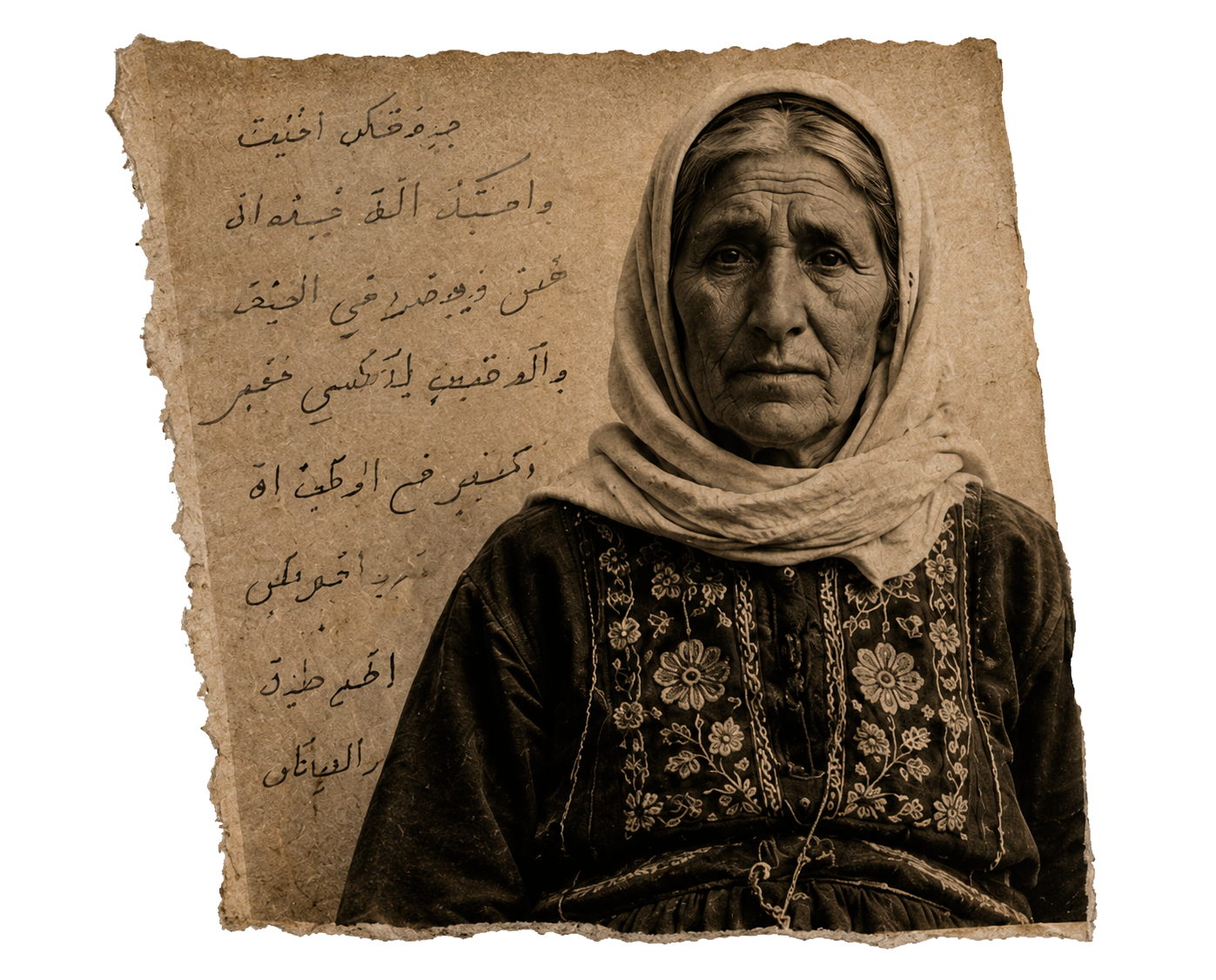
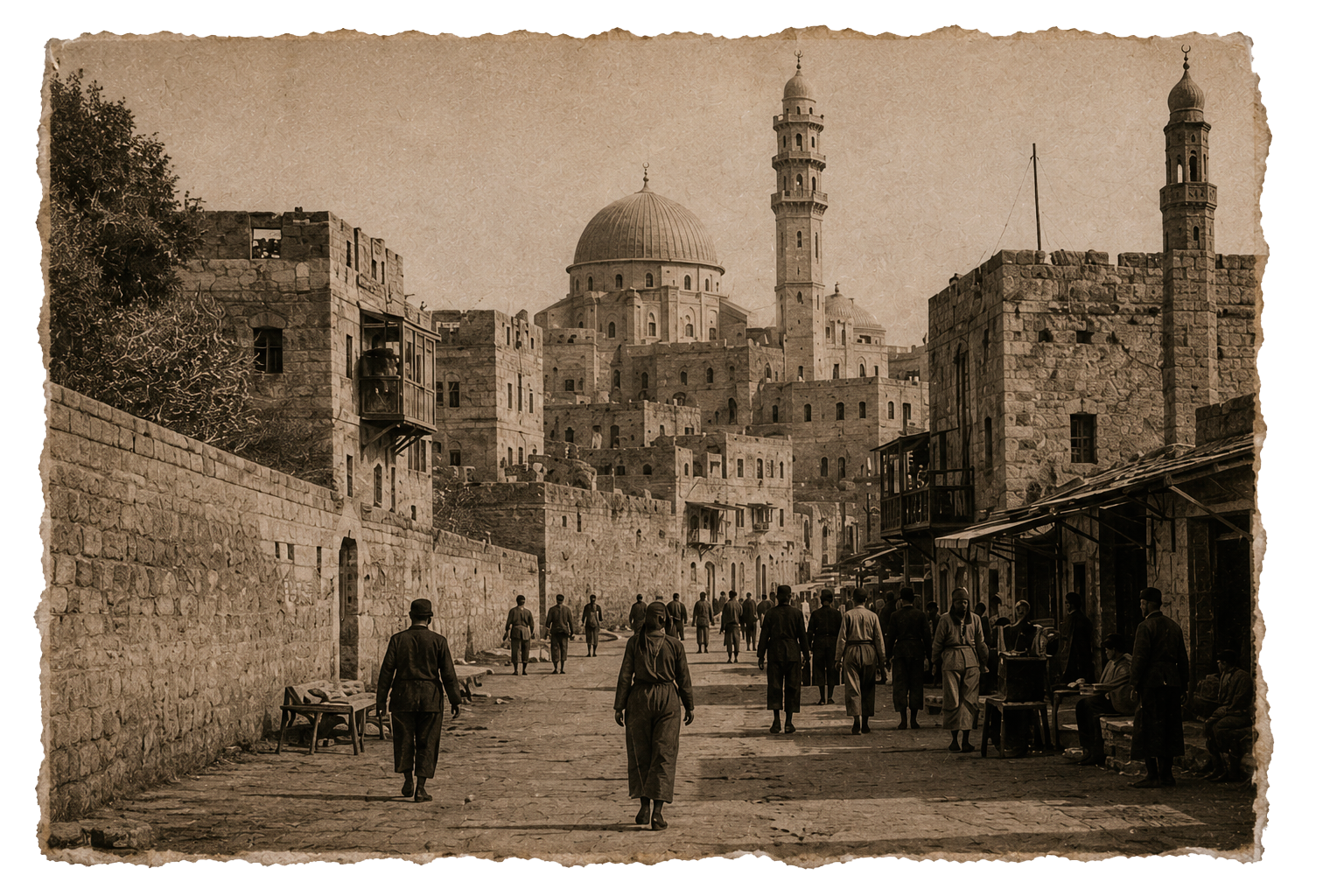
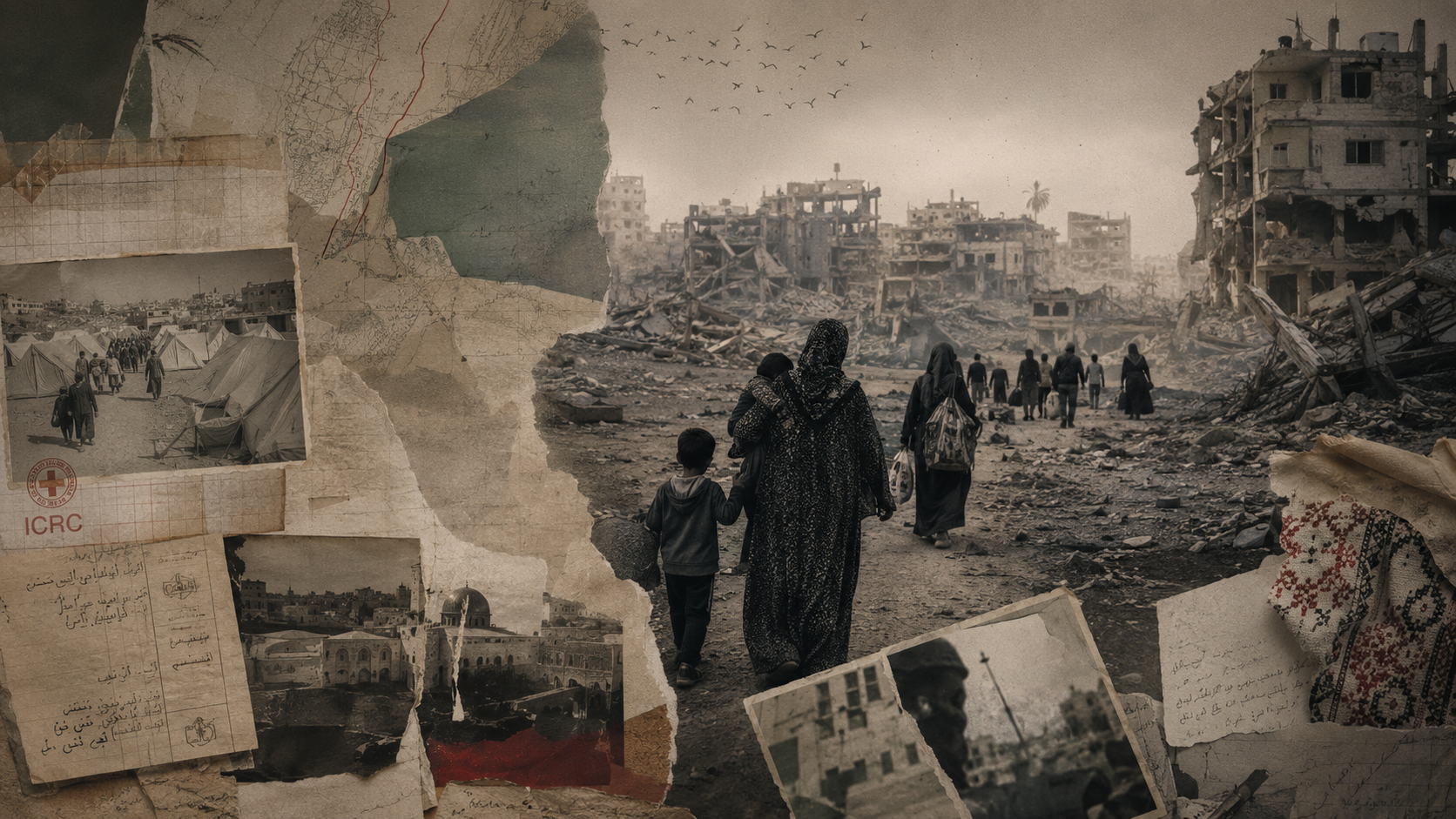
Alongside the words come the images: photographs and film footage largely unknown to the general public, never featured in school textbooks or the evening news. People, faces, neighborhoods, everyday scenes, beautiful images, but also disturbing images of destruction, rubble, and hardship — moments that speak louder than a thousand analyses, casting new light on events we thought we already understood.
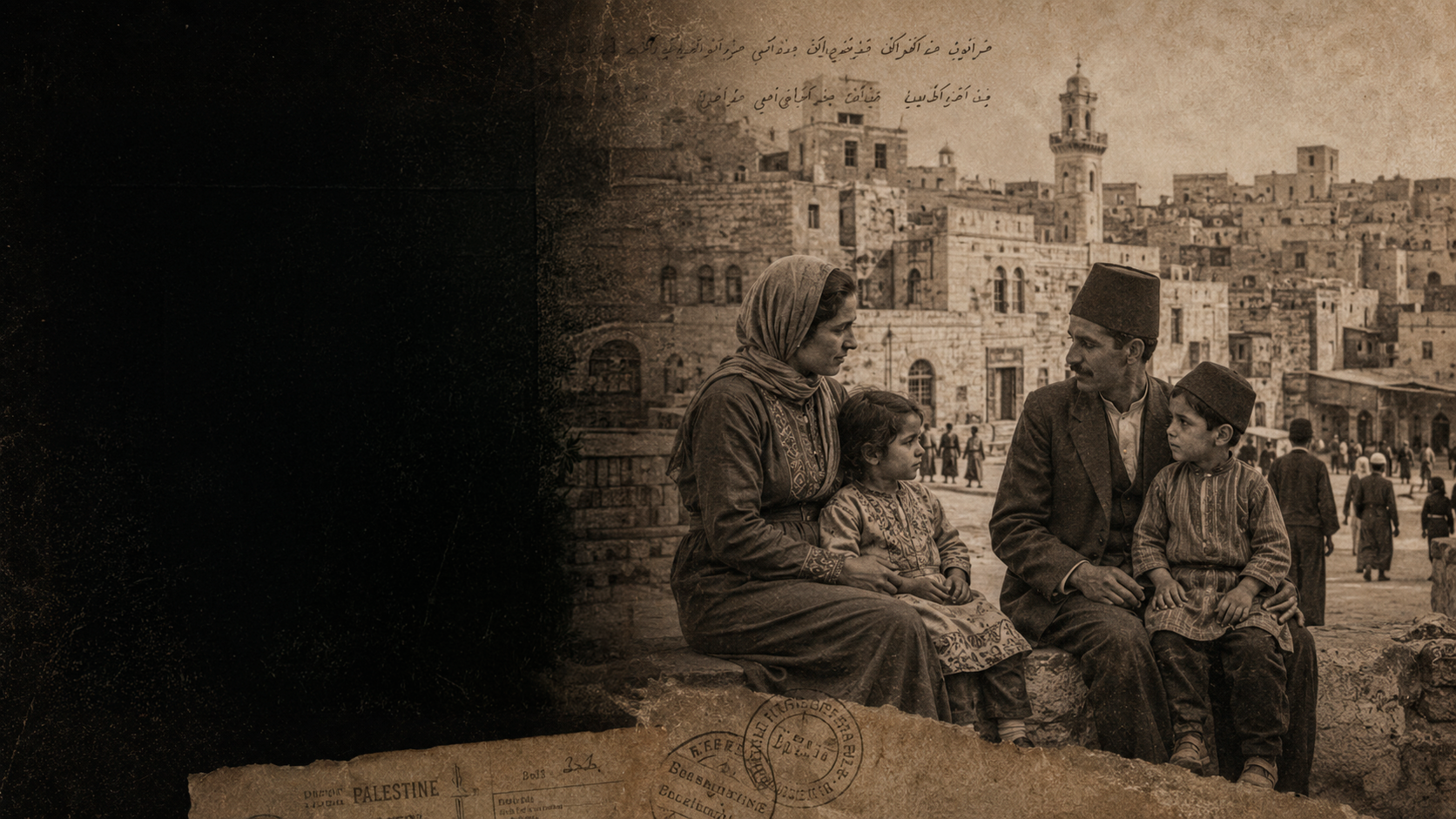
Testimonies, photographs, and records that reveal how a land was lived, remembered, and contested.
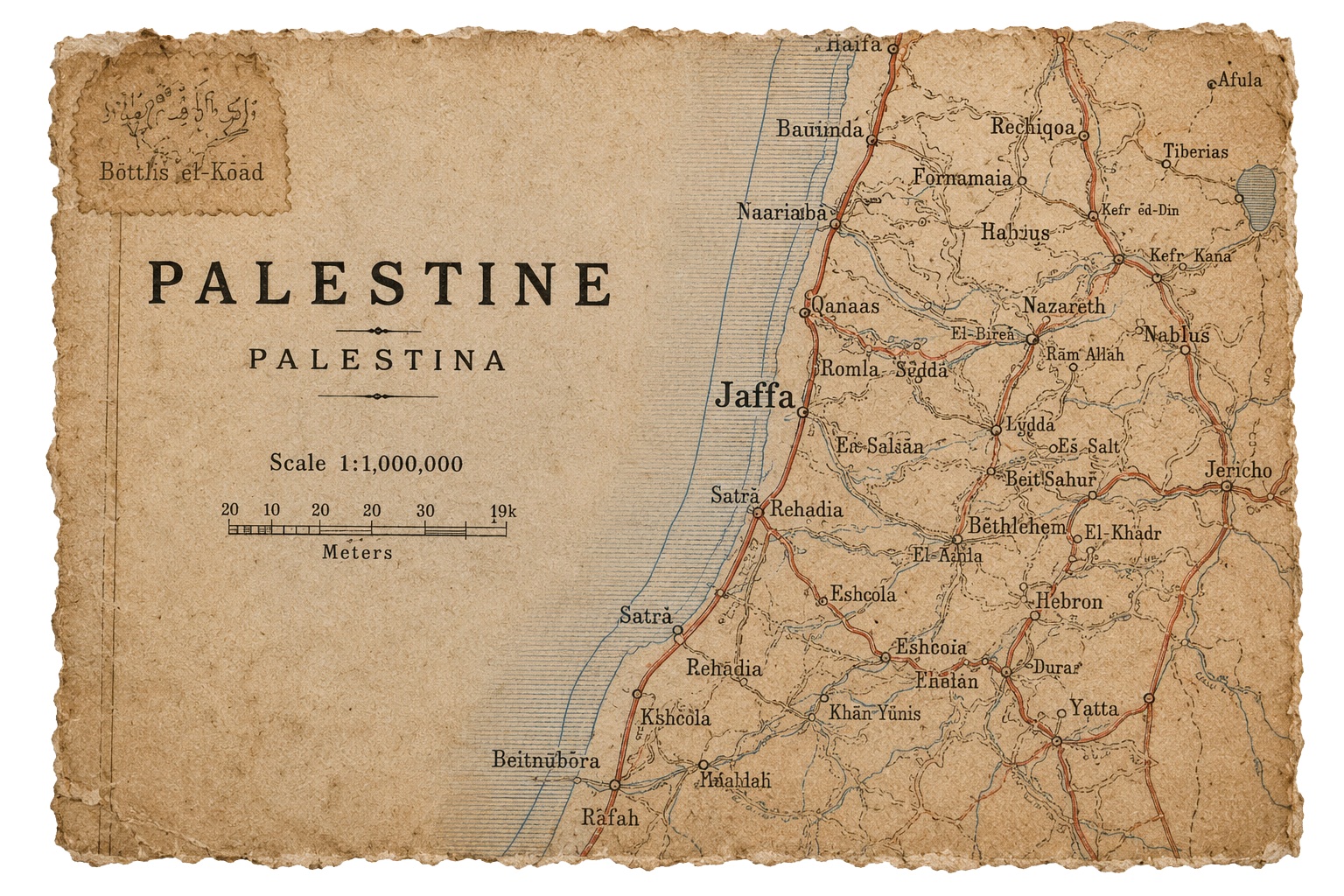
Move across places, dates, and events that shaped Palestine’s modern history.
A declaration issued far from the land itself reshaped Palestine’s political future.
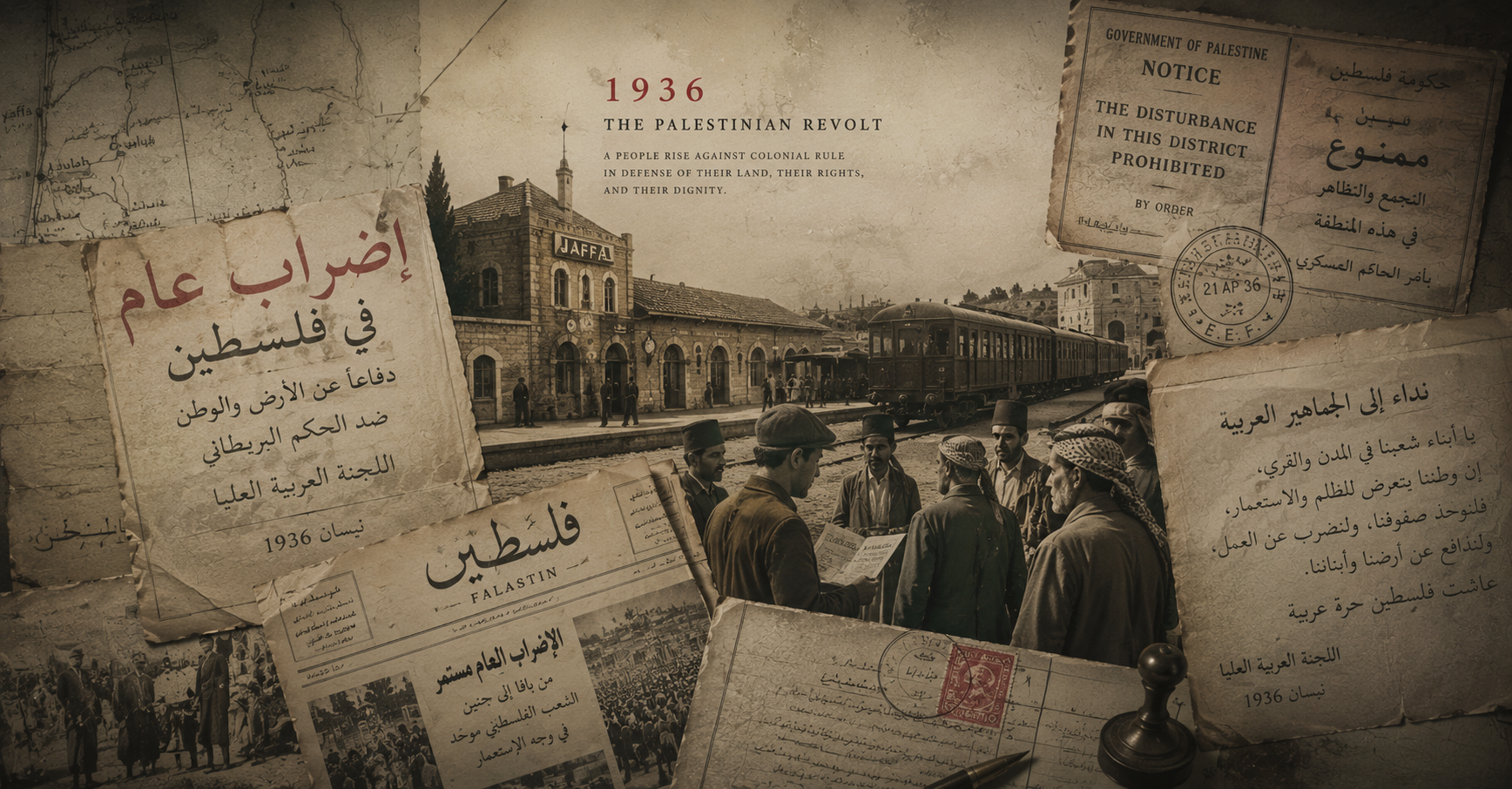
A mass uprising against British rule and the transformations imposed on the country.
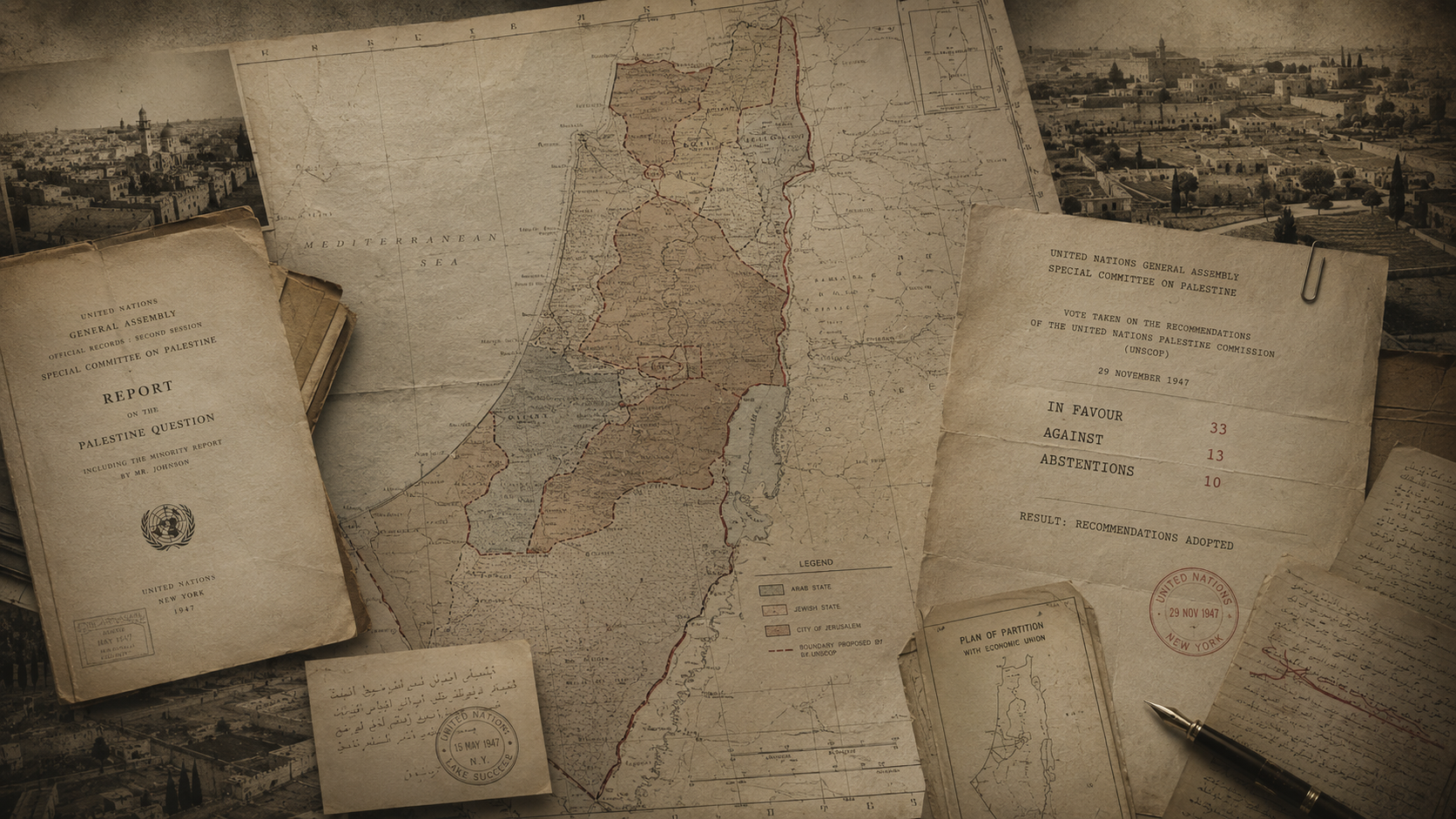
The UN proposed partition, turning the land into a map of competing futures.
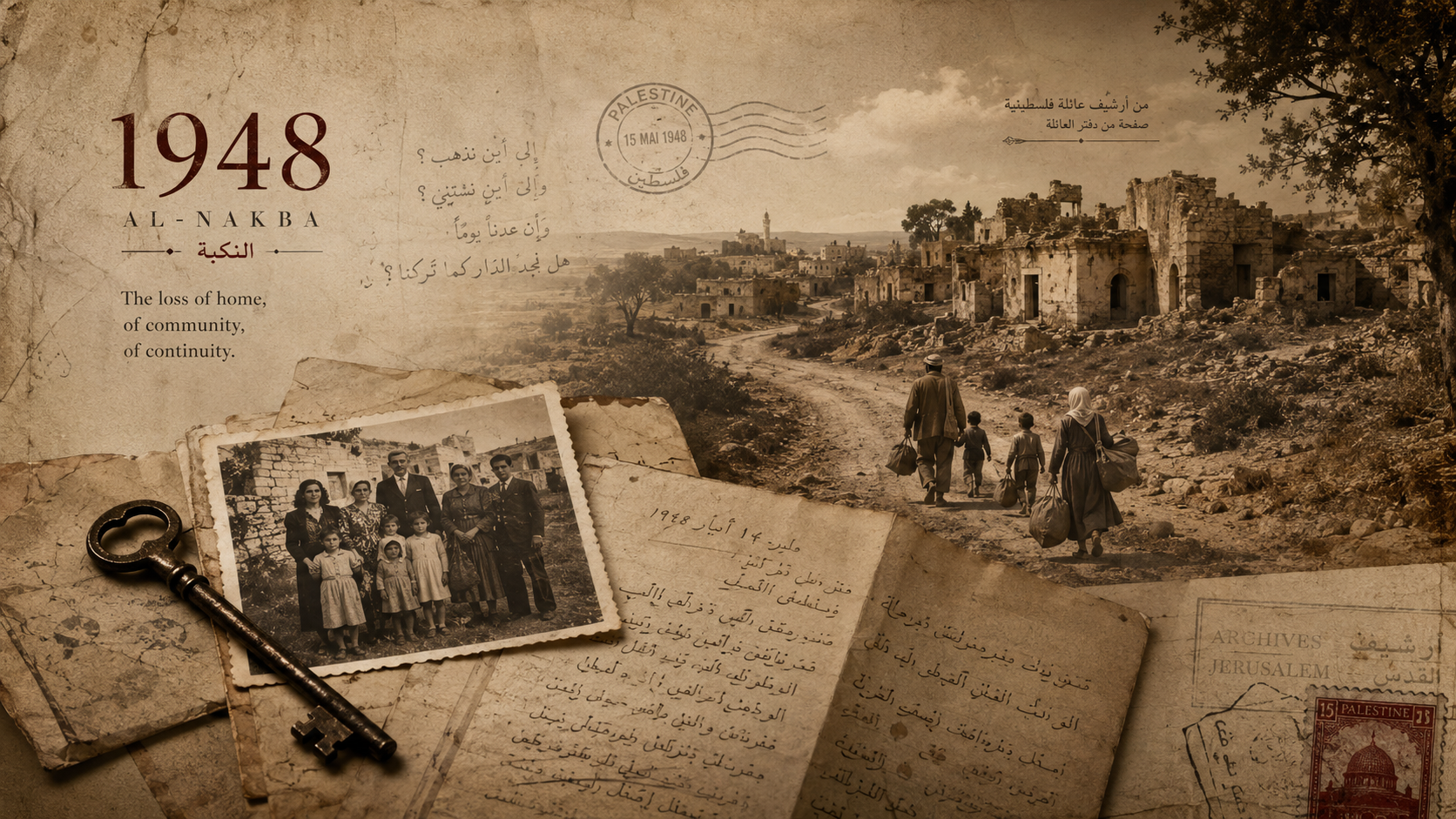
Mass displacement, destruction of communities, and the beginning of a refugee history that continues across generations.
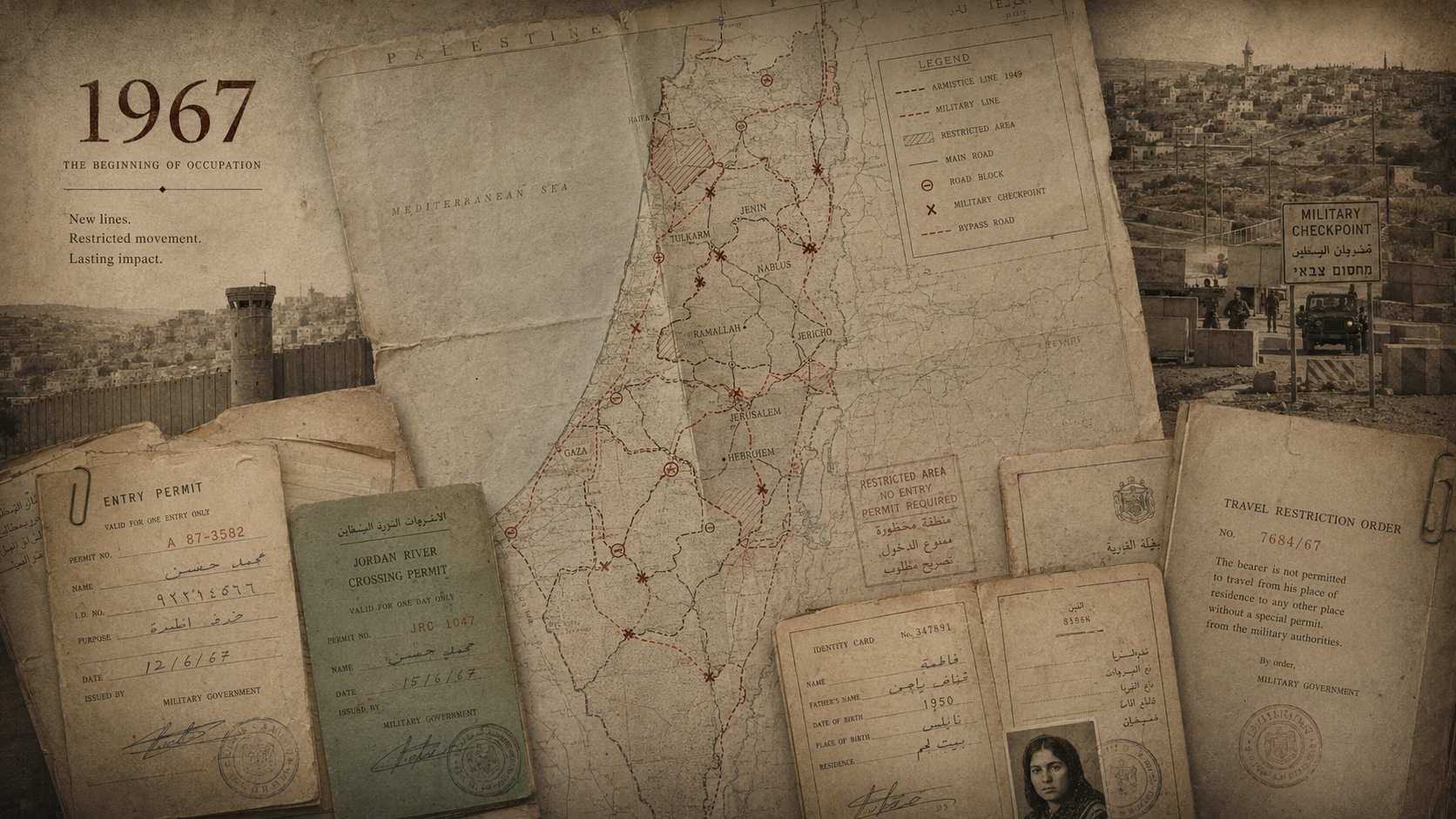
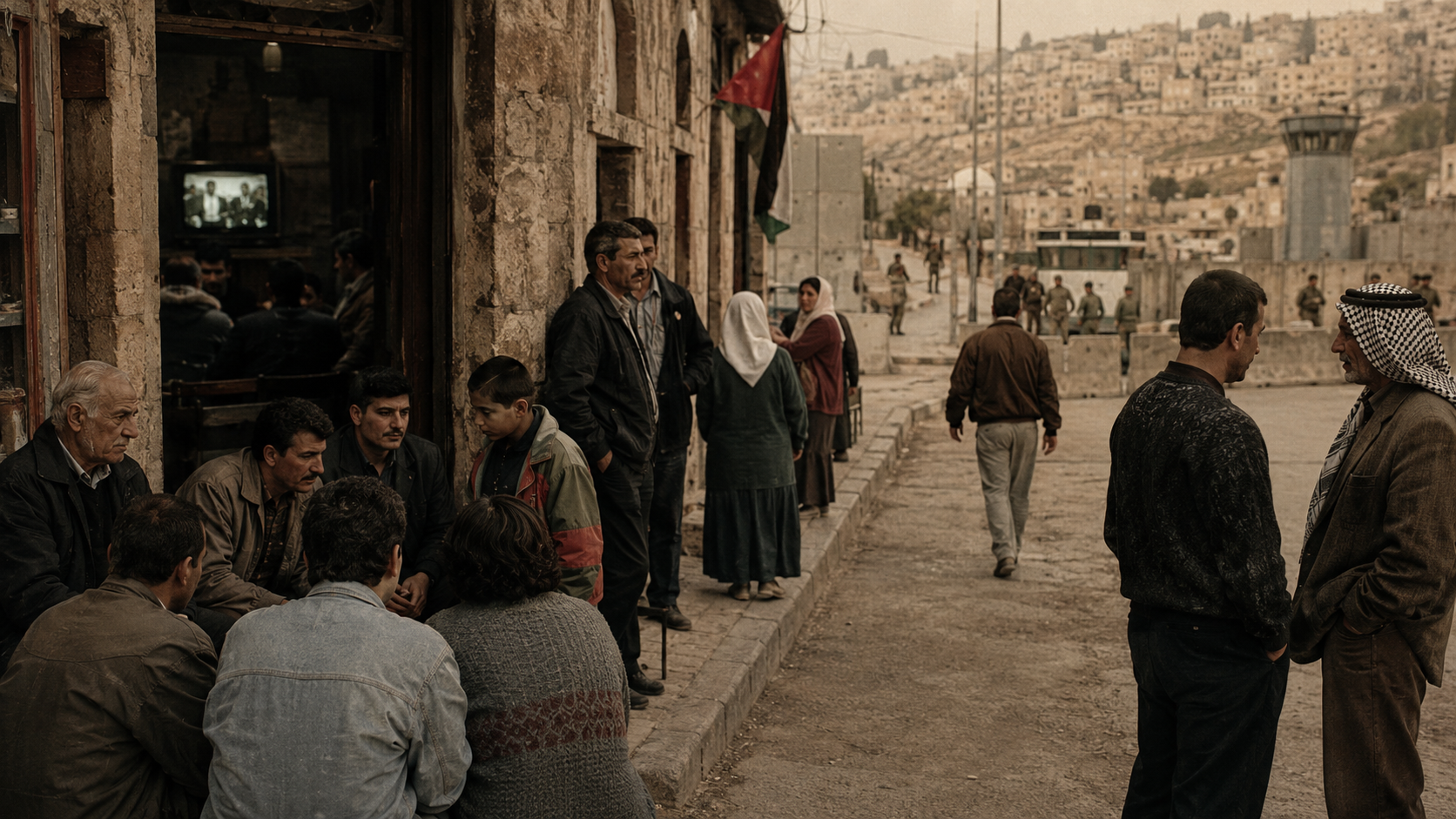
Occupation reshaped the land through control, restriction, and fragmentation.
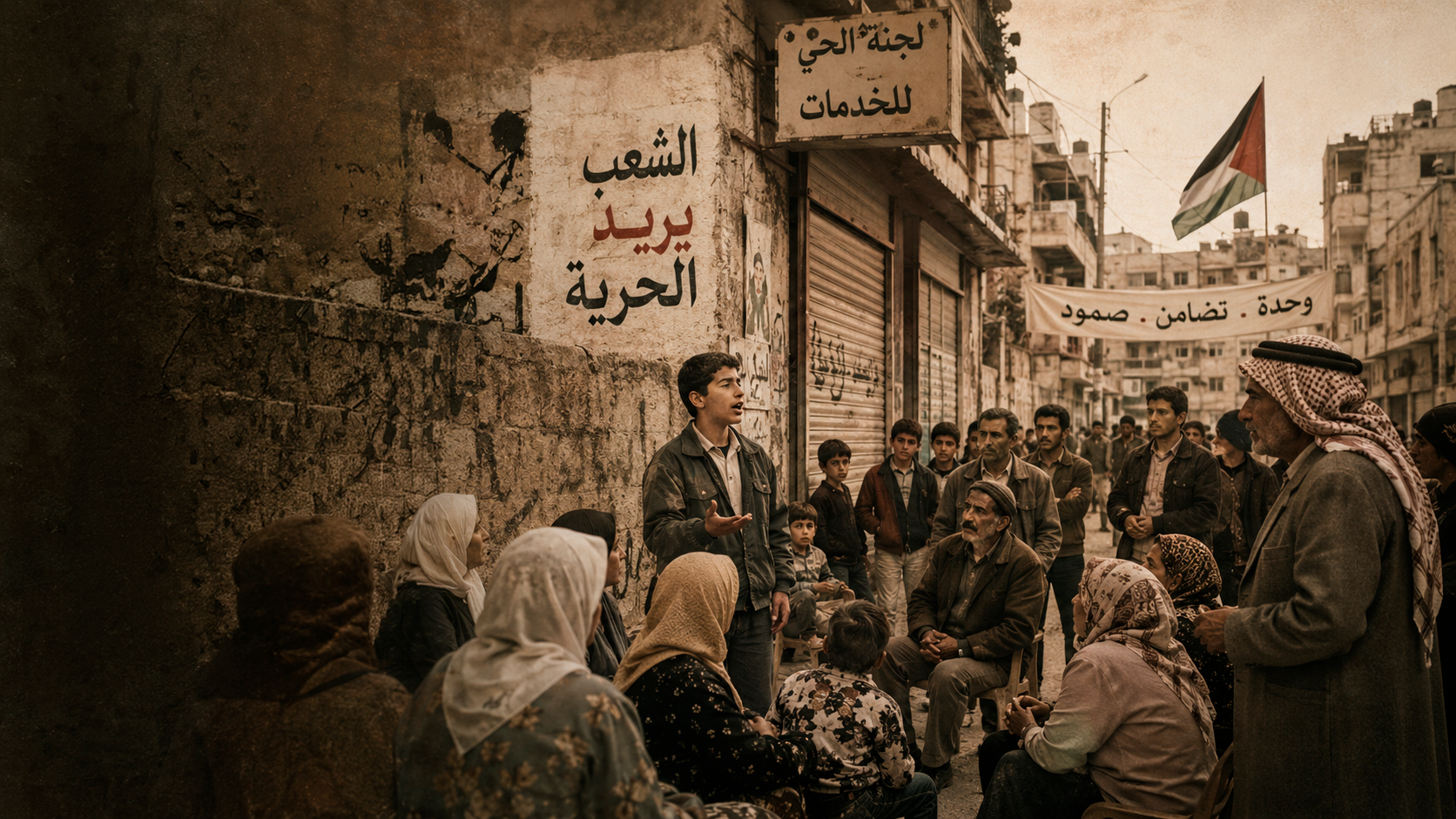
Popular resistance transformed streets, neighborhoods, schools, and daily life.
A peace process promised a state but left the central questions unresolved.
Violence, closures, military operations, and separation deepened across the territory.
Gaza entered a new era of isolation, restriction, and recurring war.
The story remains open, marked by mass displacement, destruction, and ongoing crisis.
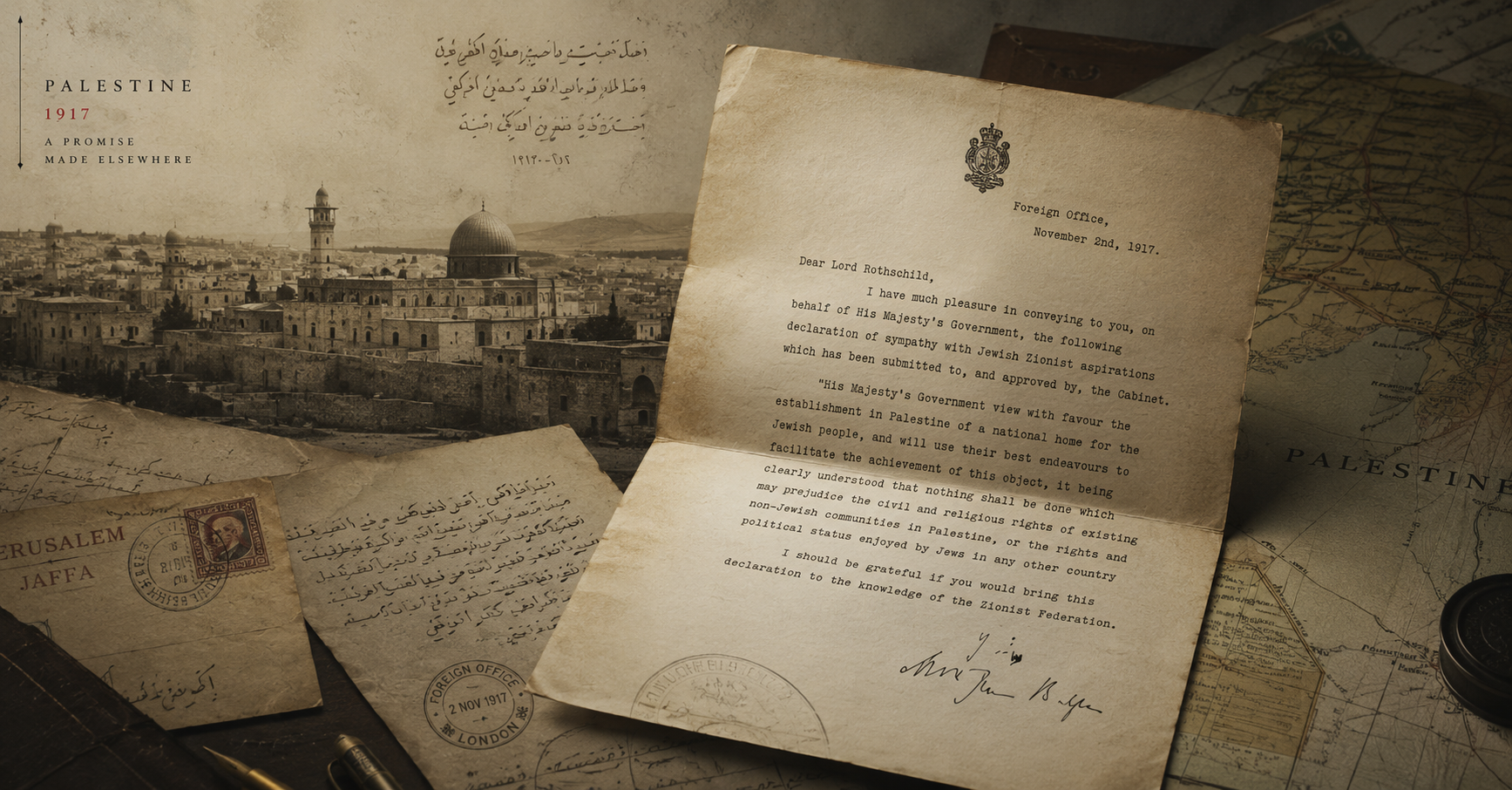
Move across places, dates, and events that shaped Palestine’s modern history.
A declaration issued far from the land itself reshaped Palestine’s political future.
Mass displacement, destruction of communities, and the beginning of a refugee history that continues across generations.
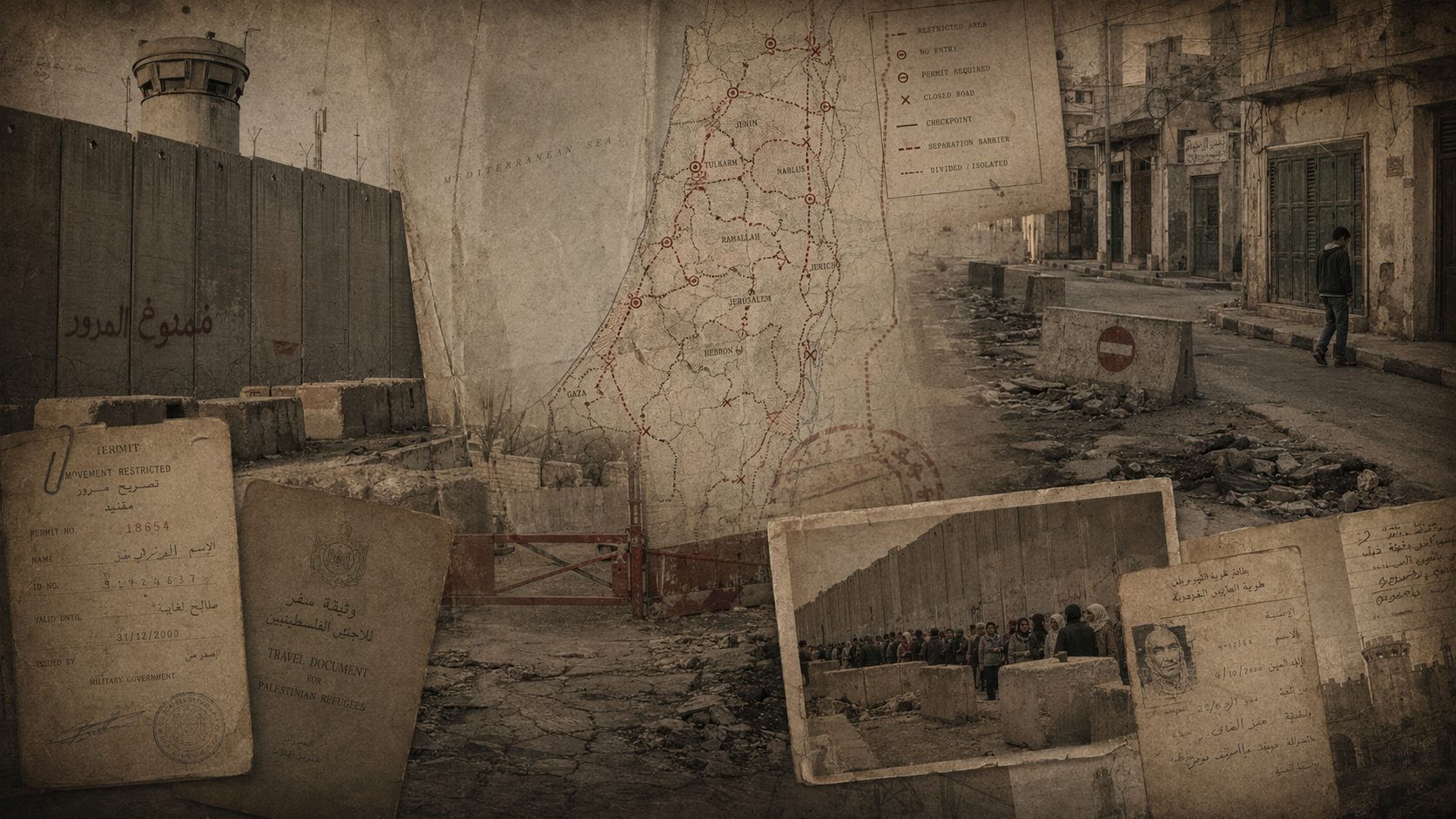
Occupation reshaped the land through control, restriction, and fragmentation.
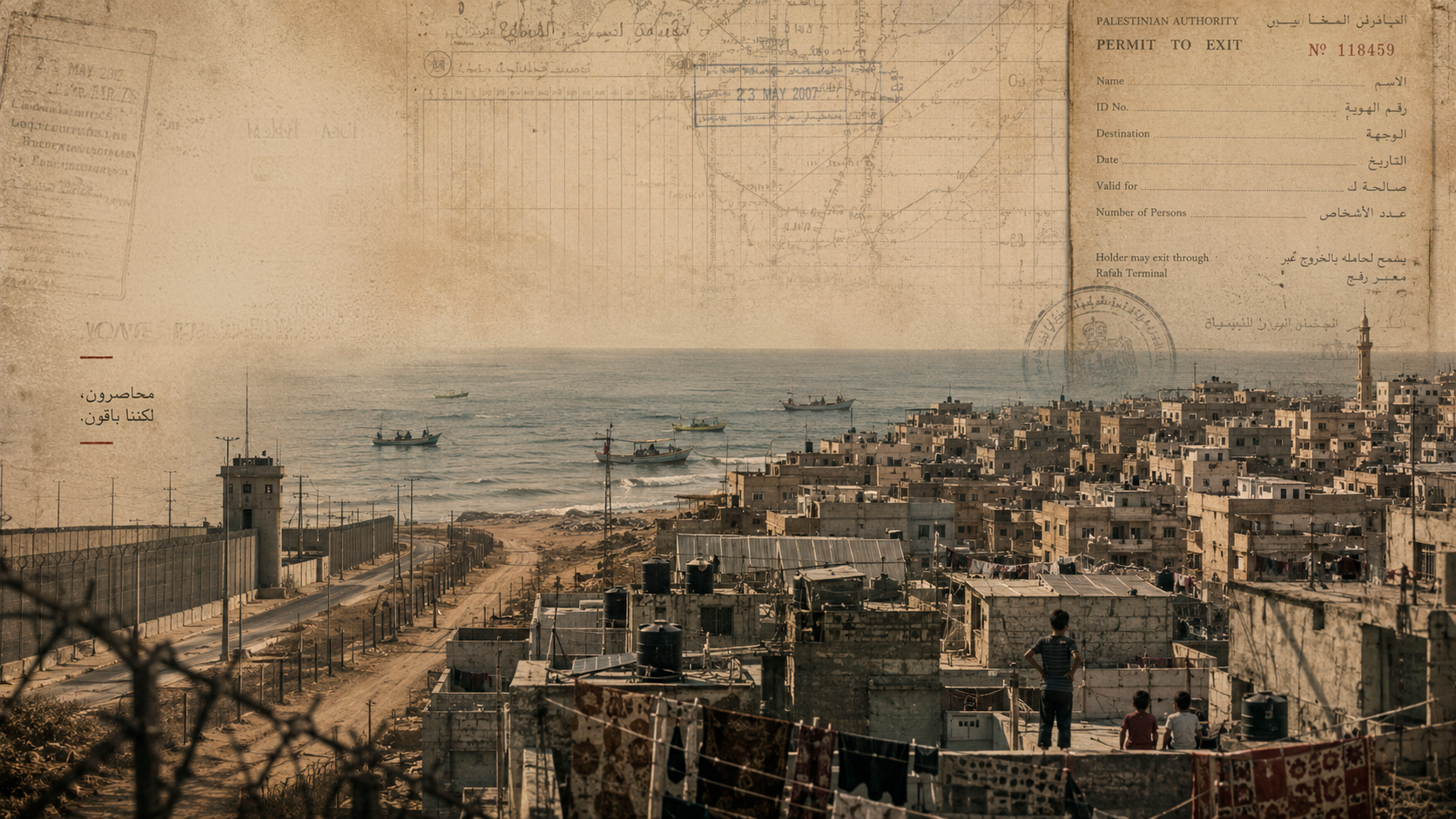
Gaza entered a new era of isolation, restriction, and recurring war.
In 1948, the Nakba—or "catastrophe"—reshaped Palestine from a physical homeland into a landscape of exile. More than 700,000 Palestinians were displaced from their cities and villages, seeking refuge in neighboring lands or fragmented territories, leaving behind intact lives, family houses, and centuries of inherited culture.
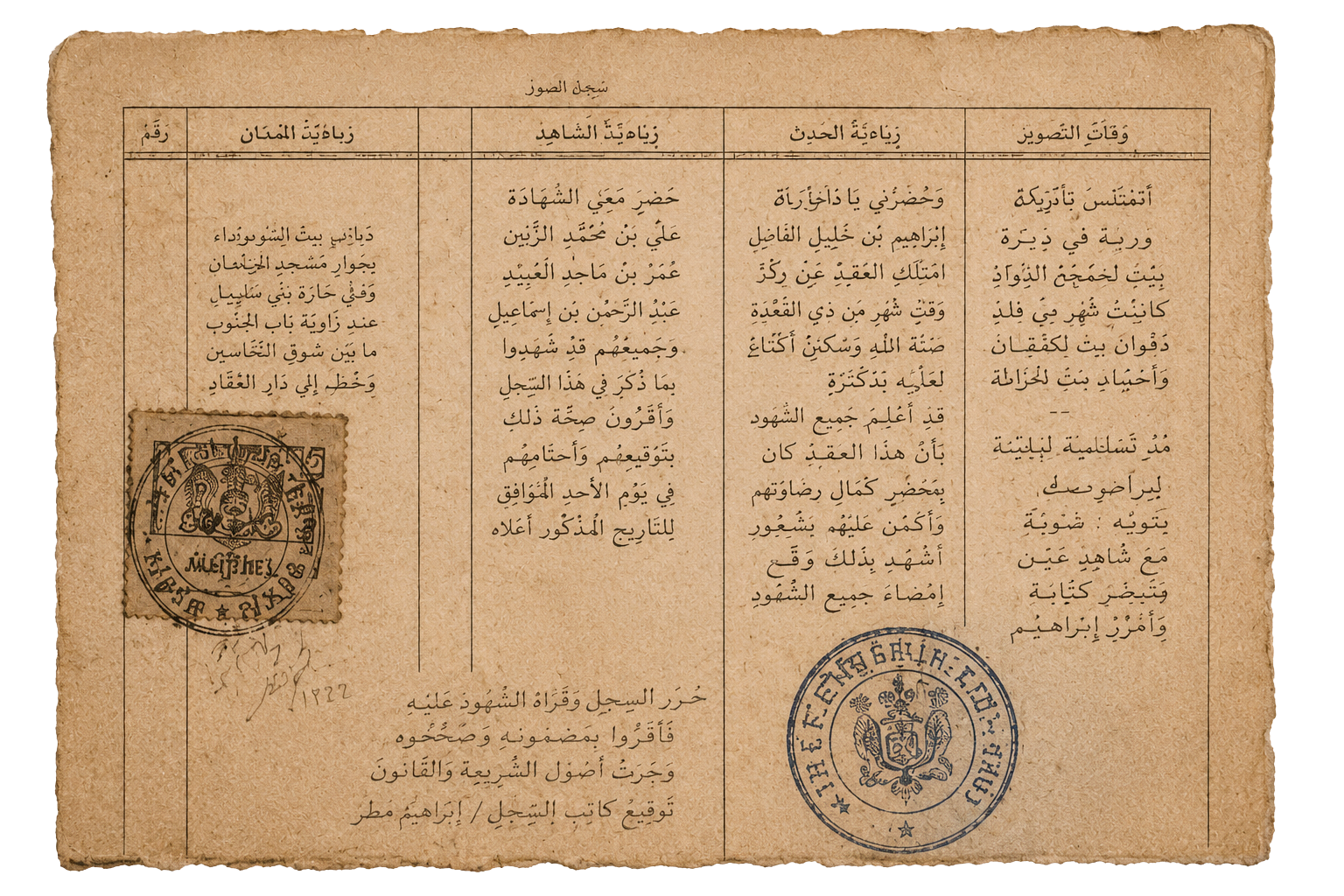
This section presents the history of that displacement not as a political abstraction, but as a lived experience of loss. Through personal diaries, village records, house keys carried into exile, and photographs of abandoned streets, MUPA documents the physical destruction of communities and the beginning of an ongoing history of dispersal that continues to define generation after generation.
MUPA does not offer a definitive truth. It offers a different perspective on historical reality. And it aims to provoke reflection.