MUPA is more than a digital archive. It is a museum of memory and perspective, built to preserve the lived reality of Palestine and present it unfiltered.
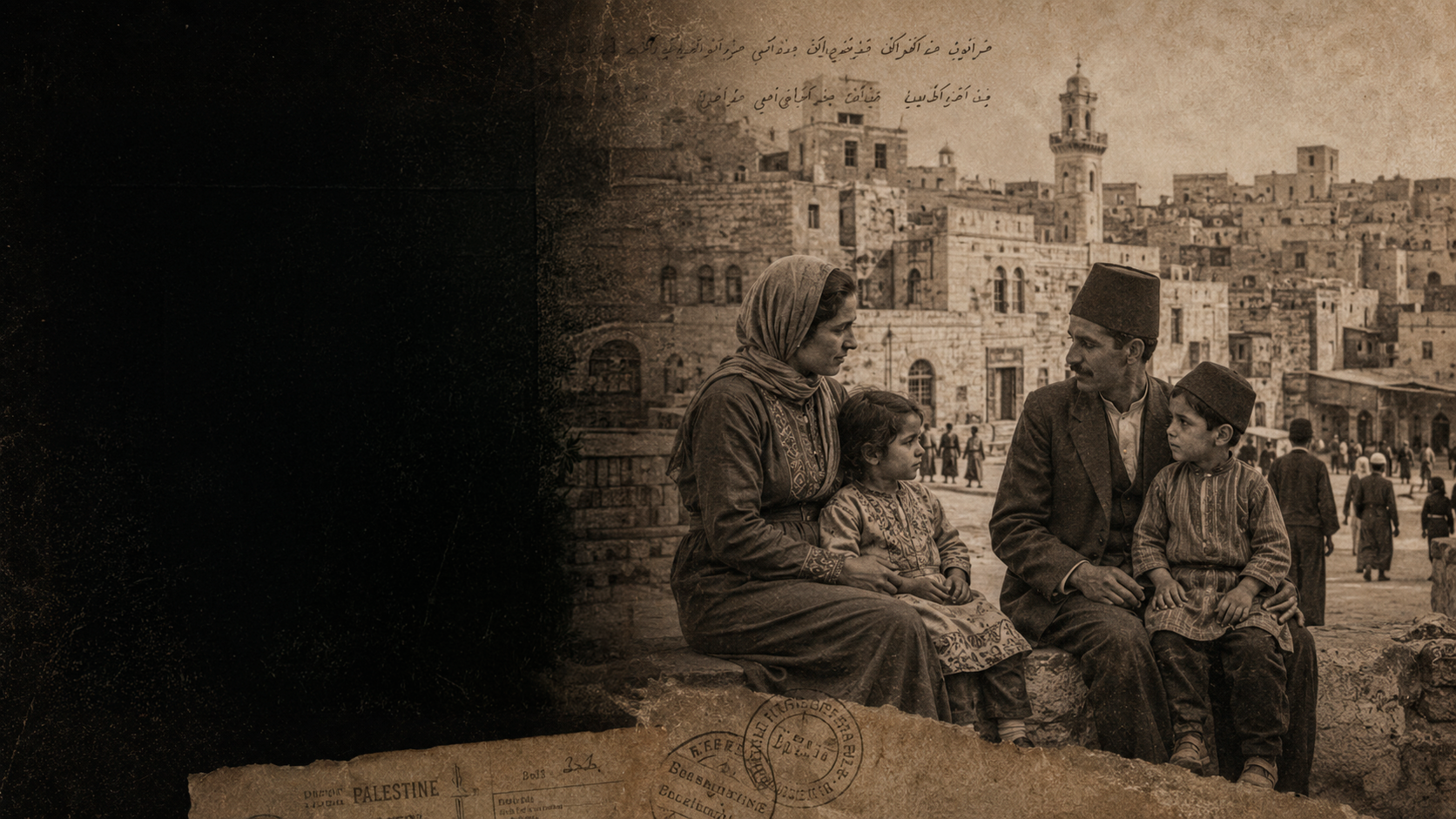
For a century, Palestine has been described, explained, interpreted — almost always from the outside looking in. MUPA was created to reverse that gaze.
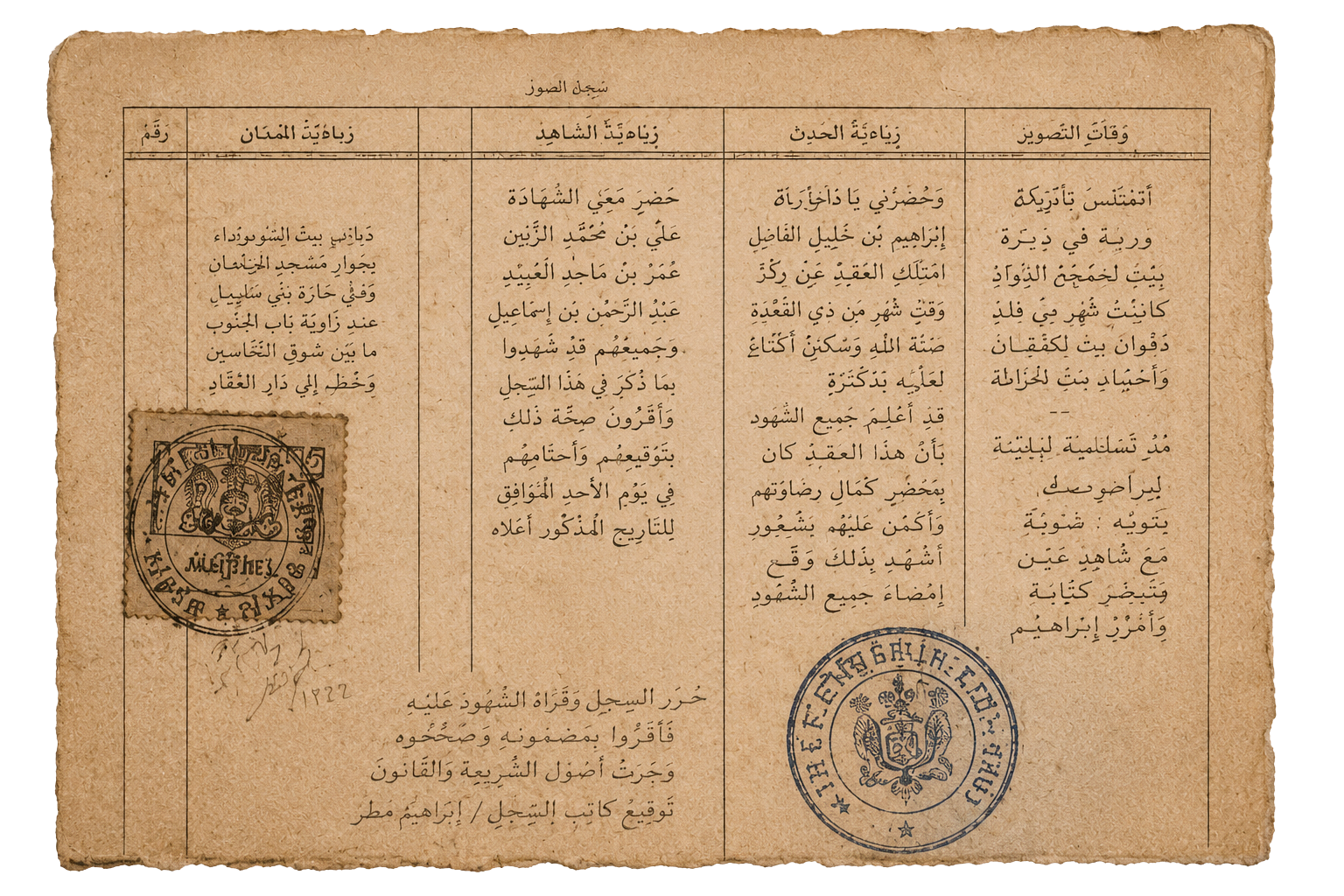
In practice, this reversal means centering the first-hand accounts of those who lived Palestinian history. Rather than relying on external narratives or secondary interpretations, MUPA presents the primary source materials—the family papers, original photographs, municipal archives, and oral records—as the foundation of truth.
Our curatorial intent is not to offer a simplified or packaged history, but to honor the complexity and depth of Palestine's past, providing an uncompromised spatial and temporal record of a continuous culture.
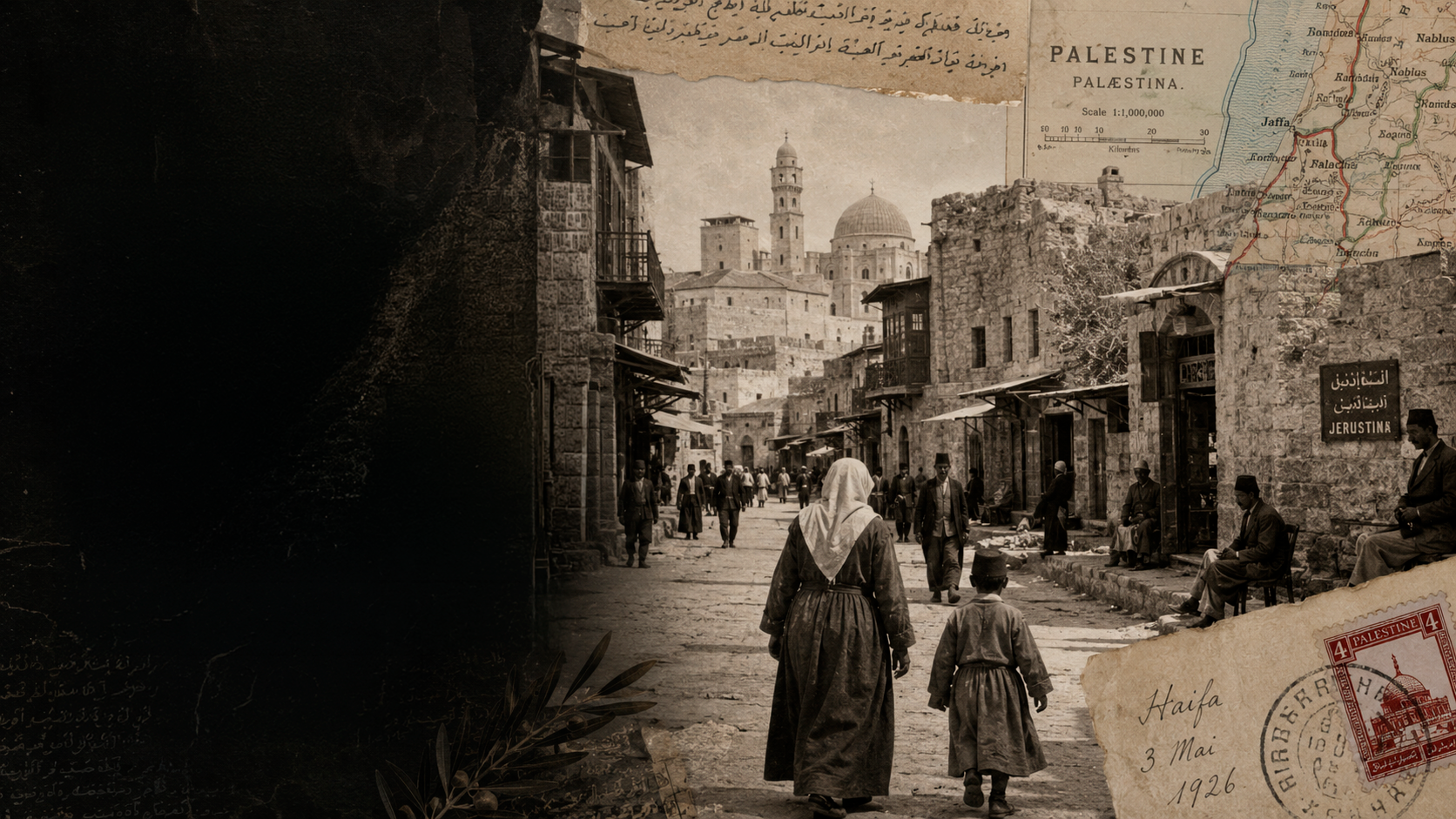
Here, the modern history of Palestine is not told through the familiar lens of Western media, but through the words of those who lived it, judged it, defended it, or challenged it first-hand.
Voices and testimonies of 20th-century figures who, for better or worse, shaped Palestine's fate are presented unfiltered.
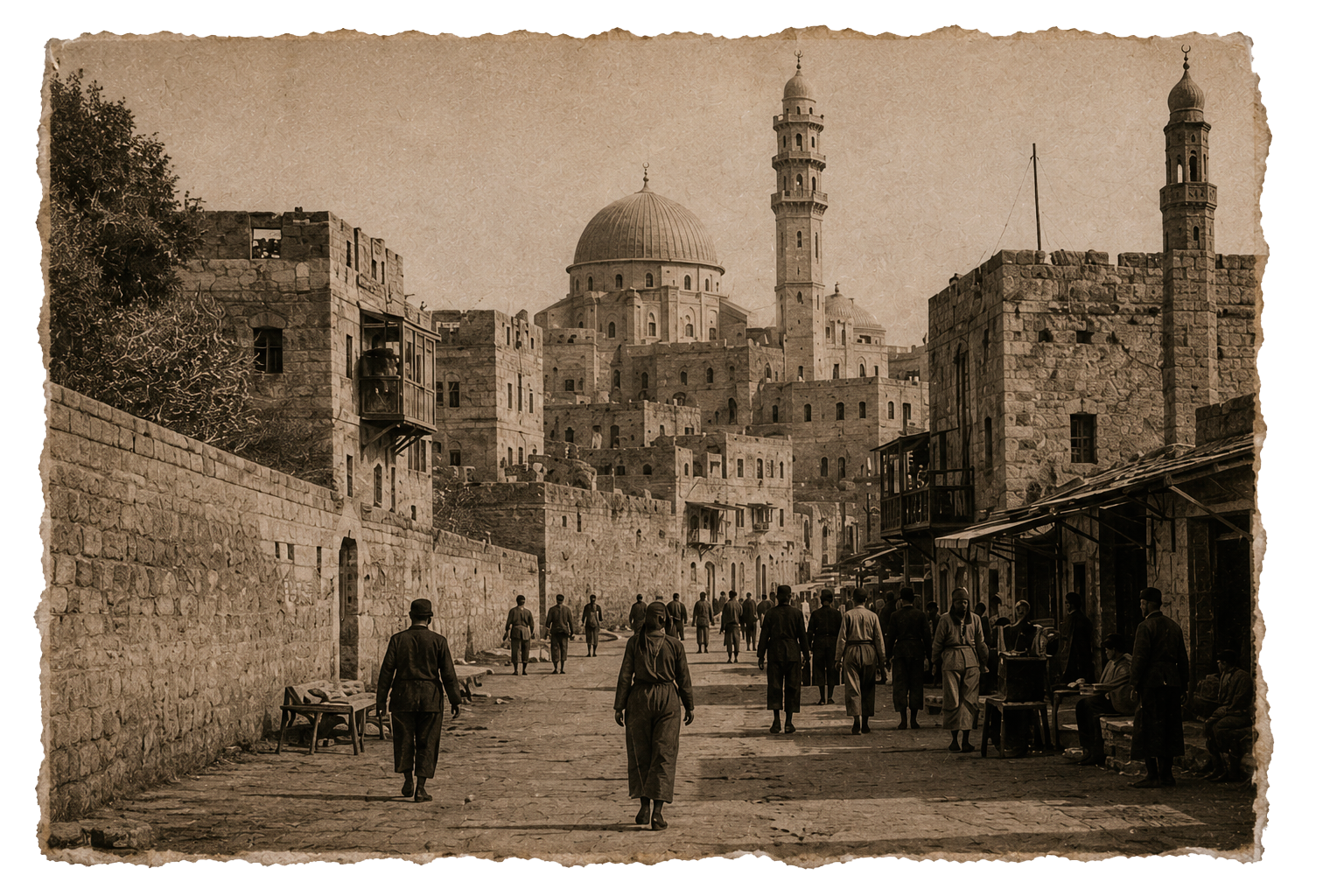
Alongside the words come the images: photographs and film footage largely unknown to the general public, never featured in school textbooks or the evening news. People, faces, neighborhoods, everyday scenes, beautiful images, but also disturbing images of destruction, rubble, and hardship — moments that speak louder than a thousand analyses, casting new light on events we thought we already understood.
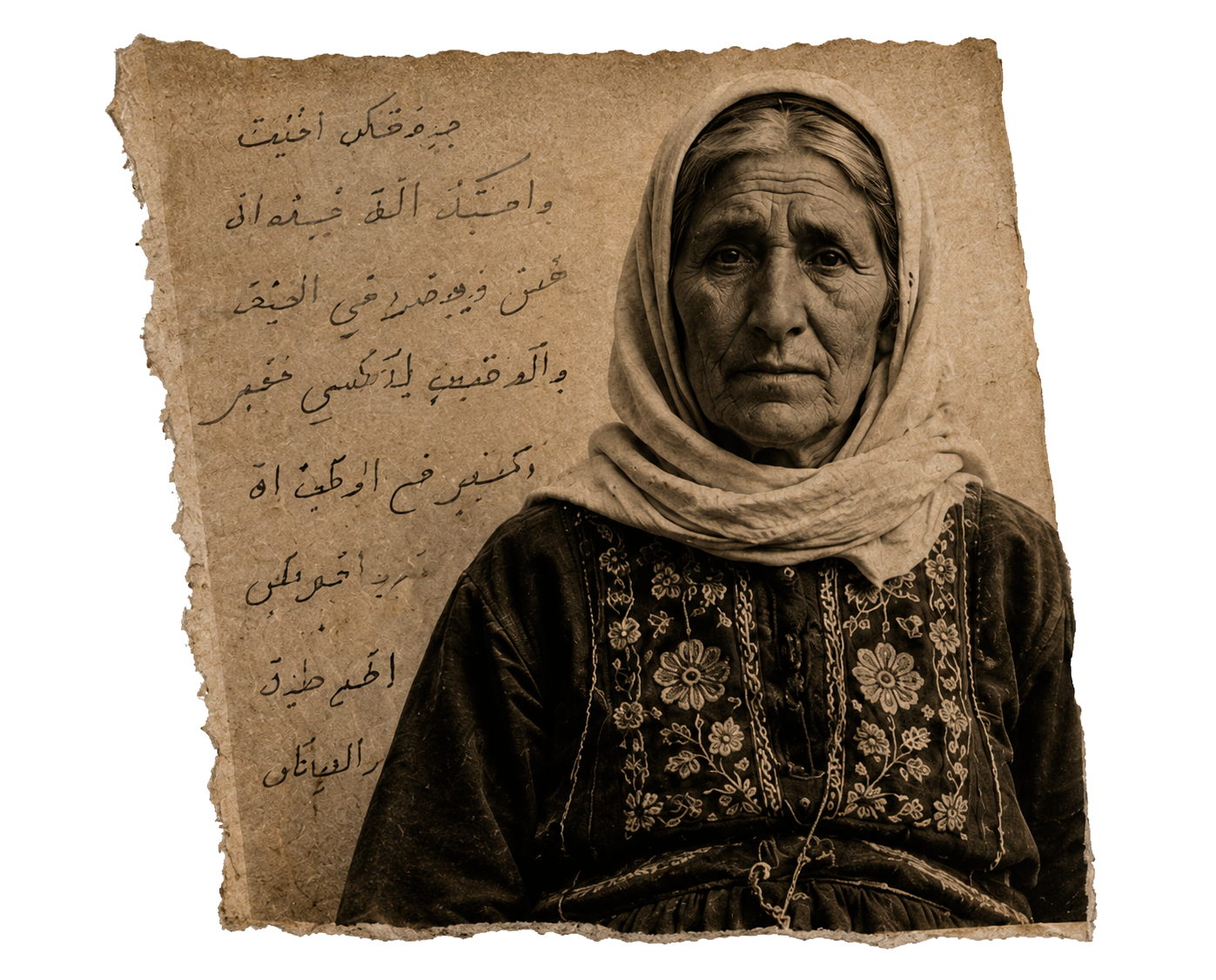
This museum is an invitation to question, to re-read history, and to see archival materials differently. MUPA does not aim to impose a final verdict or a singular historical interpretation.
Instead, the museum serves as a quiet space for curatorial reflection—a physical and digital framework where visitors can confront original testimonies and images directly, forming their own understandings of a complex and ongoing journey.